

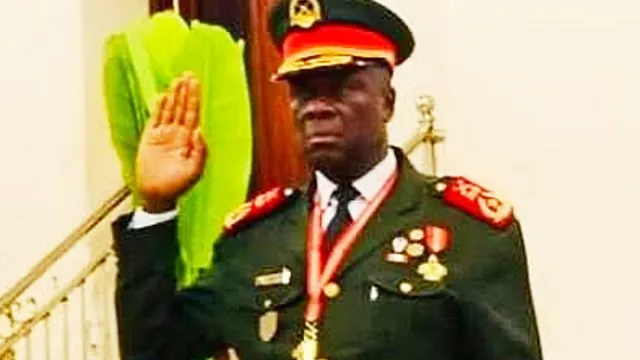
Guinea-Bissau soldiers seize power amid election turmoil
Guinea-Bissau soldiers seize power amid election turmoil
- On November 25, 2025, soldiers seized power in Guinea-Bissau, claiming the elections were manipulated.
- Former president Umaro Sissoco Embaló fled to Senegal amidst the coup, raising international concerns.
- The military appointed a close ally of Embaló as prime minister, signaling continued political influence from his supporters.
Story
Guinea-Bissau, one of the world's poorest countries, witnessed a military coup just days after its closely contested presidential elections earlier this week. On Wednesday, November 25, 2025, soldiers announced their takeover following claims of election manipulation amid heightened political tension. De facto leader Umaro Sissoco Embaló, who was deposed, fled to neighboring Senegal on a government-chartered flight to ensure his safety while diplomatic efforts were announced by the Senegalese Ministry of Foreign Affairs to restore democracy. Despite this confusion, the military swiftly appointed Ilídio Vieira Té, a close ally of Embaló, as the new Prime Minister on Friday, November 28, 2025, signaling continued influence by the ousted president's supporters in the new regime. The political turmoil in Guinea-Bissau is rooted in a history of coups and instability since its independence from Portugal over 50 years ago. Analysts noted that the power struggle among political actors and the timing of the elections set the stage for the military's intervention. The military cited the discovery of plans to manipulate the election results to justify their actions. Meanwhile, claims emerged from the opposition, led by Fernando Dias, alleging that the coup was a fabrication by Embaló to avoid defeat in the polls, enhancing the ongoing tensions in the country. This contested situation reflected the broader issues in West African democracies, where military interventions have surged in response to democratic failures and disputed electoral outcomes. In response to the coup, the Economic Community of West African States (ECOWAS) held a virtual meeting condemning the takeover and demanding the release of political figures, including Embaló, who were reported to be in custody. The situation prompted the regional body to suspend Guinea-Bissau from decision-making bodies until democratic order is restored and threatened sanctions against those responsible for undermining the electoral process. Within Guinea-Bissau's capital, Bissau, citizens gradually resumed normal activities after initial unrest, but the political future of the nation remains uncertain as military leaders face domestic and international scrutiny. As the situation unfolds, international observers continue to monitor developments, considering the possibility of mediation efforts by ECOWAS to ensure constitutional order is reinstated and to prevent further destabilization in the region. The recent events reiterated the fragile nature of political institutions in Guinea-Bissau, which struggle against ongoing pressures exemplified by drug trafficking and military influences. The leadership changes and their implications for governance and stability will likely remain an acute concern not only for Guinea-Bissau but for West Africa at large.


