

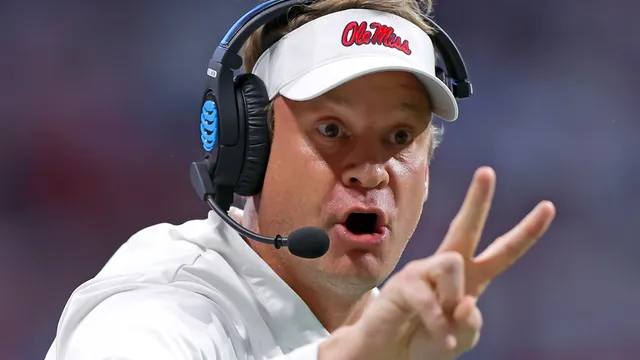
LSU offers historic $90 million contract to Lane Kiffin
LSU offers historic $90 million contract to Lane Kiffin
- Lane Kiffin is being courted by multiple top college football programs, with LSU emerging as a strong contender after abandoning efforts to secure the services of former coach Brian Kelly.
- Reports indicate that LSU is prepared to finalize a substantial contract worth $90 million to entice Kiffin away from Ole Miss, positioning him among the highest-paid football coaches.
- The situation reflects the intense bidding nature of collegiate coaching contracts, particularly within the SEC, and emphasizes the implications of such financial commitments.
Story
In the United States, LSU has made significant moves to secure the services of Ole Miss head coach Lane Kiffin. Reports suggest that LSU is finalizing a contract worth $90 million over seven years for Kiffin, which would place him among the highest-paid coaches in college football. As the situation unfolds, it has also been disclosed that the deal includes a $25 million investment for roster management through NIL (Name, Image, Likeness) programs. This push to attract Kiffin comes after his previously rumored interest in the Florida Gators head coaching position, illustrating the competitive nature of coaching hires in the SEC. The enthusiasm from LSU comes as they seek a strong replacement following the firing of Brian Kelly mid-season. While Kiffin's continued success at Ole Miss makes him a prime target, LSU is not the only institution pursuing his talents, creating a bidding war between them and Florida. The anticipation of Kiffin's decision looms large as both teams prepare to extend offers that reflect the potential severity of their coaching vacancies. Having achieved a top ranking with Ole Miss, Kiffin's options are plenty, transforming the coaching landscape. Additionally, LSU's willingness to invest in their new hire reflects a strategic shift in how schools are competing for coaches. This high-stakes financial gamble brings with it various implications regarding recruitment and program success. Louisiana Governor Jeff Landry’s prior comments on limiting excessive coaching salaries suggest that this deal was carefully evaluated in light of the state's budgetary constraints, ensuring it does not repeat the issues from prior contracts. As rumors swirl and speculation mounts, Kiffin remains focused on completing the season with Ole Miss. Their final game against Mississippi State has become a pivotal moment not just for the program's immediate future but also for Kiffin's coaching prospects. Ultimately, LSU's monumental offer may alter the competitive balance within the SEC if Kiffin decides to accept and subsequently succeeds in Baton Rouge.
Context
The impact of Name, Image, and Likeness (NIL) rights on college football coaching has been significant and multifaceted, reshaping the landscape of college athletics in ways that were previously unforeseen. With the introduction of NIL rights in 2021, college athletes gained the ability to monetize their personal brands, leading to increased competition among programs to attract top talent. Coaches are now required to navigate a new paradigm where financial incentives can play a crucial role in recruitment and retention of players. This has shifted the focus of coaching responsibilities, compelling coaches to dedicate more time and resources to not only coaching but also to understanding business opportunities that can benefit their athletes. Furthermore, the ability of athletes to earn income from endorsements has created new dynamics in team hierarchies and influenced team cohesion and morale, making the role of coaching even more pivotal in balancing player interests and team objectives. As a result of the NIL era, college football coaching has also seen changes in hiring practices and staff composition. Programs increasingly seek coaches who possess skills in marketing and player development, alongside traditional coaching expertise. This evolution has prompted universities to enhance support staff, including hiring professionals with backgrounds in business and marketing to assist athletes in capitalizing on NIL opportunities. The emphasis on developing athletes’ personal brands and encouraging them to engage with fans and sponsors has become integral to successful coaching strategies. Additionally, as the competition for recruits intensifies, coaches must effectively communicate how their program supports NIL endeavors, making this aspect a central part of recruitment pitches. The relationship between coaching staff and athletes has become more collaborative, where coaches act not just as mentors in sports, but also in business development. The financial implications for college football have been profound, as programs that effectively leverage NIL opportunities can gain a significant competitive edge. Schools with robust resources are better positioned to support athletes in these ventures, leading to disparities between programs. This has raised concerns about equity within college athletics, where larger, more affluent programs may attract the best talent by offering more substantial NIL deals. Coaches are now tasked with addressing these inequalities while striving to maintain a level playing field. Additionally, the influx of money into college football through NIL deals has led to discussions on the overall sustainability of these programs and the long-term financial health of athletic departments. Coaches are compelled to consider how NIL revenues can be managed effectively to support teams without compromising the integrity of college sports. In conclusion, the effects of NIL rights on college football coaching are far-reaching, prompting a reevaluation of traditional coaching roles, recruitment strategies, and program management. Coaches must balance their responsibilities between guiding athletes in their sporting careers and helping them succeed in the increasingly complex business environment that accompanies NIL opportunities. As the landscape continues to evolve, coaching staff will play a critical role in shaping the future of college football, ensuring that athletes can maximize their NIL potential while fostering a positive and competitive team culture.


