
military conflicts
tragic
controversial

Four drown attempting to board boat for perilous Channel crossing

Apr 9, 2026, 9:59 AM20
(Update: Apr 9, 2026, 2:07 PM)
country in north-west Europe

Four drown attempting to board boat for perilous Channel crossing

  • Four individuals died while trying to board an inflatable boat for the sea crossing to the UK.
  • Authorities rescued 38 others, indicating ongoing perilous sea crossings by migrants.
  • The deaths underscore the dangers faced by those attempting to escape to the UK and highlight issues related to human trafficking.
Share opinion
Tip: Add insight, not just a reaction
2

Story

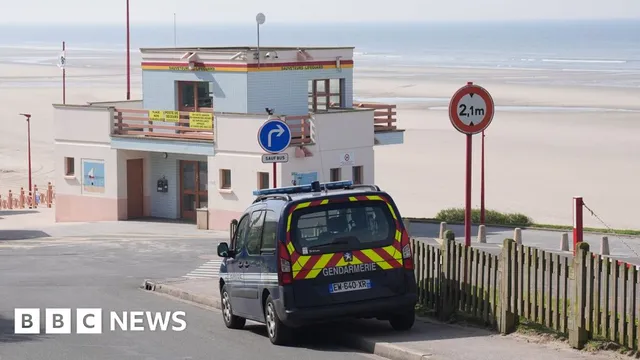
In northern France, on Thursday, April 8, 2026, a tragic incident occurred when four individuals lost their lives while attempting to board an inflatable boat destined for the English Channel. The individuals, two men and two women, were taken by dangerous currents as they sought to embark on what has become a perilous journey for many migrants hoping to cross into the United Kingdom. Local authorities confirmed that a total of 38 people were rescued, with some cases treated as emergencies including two children who were taken to a hospital for precautionary reasons. The incident highlights the growing risks associated with migrant crossings in the English Channel, especially amidst a surge in attempts due to favorable weather conditions. It is reported that the total number of confirmed deaths linked to migrant crossings in this area has now reached six this year, following earlier incidents recorded by the UN's International Organization for Migration agency. Additionally, the rise in attempted crossings has raised concerns over the effectiveness of current measures aimed at preventing such dangerous journeys. Francois-Xavier Lauch, representative of the Pas-de-Calais prefecture, noted that the deceased individuals were

Context

The increasing impact of traffickers on migrant crossings in the Channel has become a significant concern for policymakers, humanitarian organizations, and border security agencies. Over recent years, the number of individuals attempting to cross this perilous stretch of water has surged, often facilitated by organized crime groups that exploit vulnerable migrants seeking better lives. These traffickers not only promote illegal crossings but also endanger lives through unsafe methods, such as overcrowded and unseaworthy vessels. This criminal activity has led to tragic incidents resulting in loss of life, drawing public attention and prompting calls for more comprehensive responses to address the root causes of migration and the destabilizing influence of these traffickers. Traffickers play a crucial role in the dynamics of migration, often using sophisticated networks to lure individuals into their operations. Many migrants are driven by factors including conflict, poverty, and lack of opportunity in their home countries, making them particularly susceptible to dangerous offers from smugglers. These criminal organizations often charge exorbitant fees for their services, placing immense financial burdens on already vulnerable families. As the competition among these traffickers intensifies, migrants face escalating risks of exploitation and abuse, revealing a darker side to their desperate attempts for a better future. Governments and international agencies have made efforts to combat the influence of traffickers, yet challenges remain. Cooperation between countries is essential, as these trafficking networks frequently operate transnationally. Enhanced intelligence sharing, joint operations, and the establishment of safe and legal migration pathways are necessary measures to effectively disrupt these networks. Furthermore, addressing the socio-economic conditions that lead to migration is vital in reducing the allure of traffickers and supporting migrants in safer alternative paths for resettlement. The implications of traffickers on migrant crossings in the Channel reflect a broader global crisis of migration and human trafficking. By raising awareness, advancing policy reform, and fostering international collaboration, it's possible to mitigate the risks that traffickers pose to vulnerable populations. The tragic consequences of unchecked trafficking necessitate a collective response that prioritizes human rights and dignity, ensuring that migration is a safe and regulated option rather than a perilous journey overseen by criminal organizations.

2026 All rights reserved
