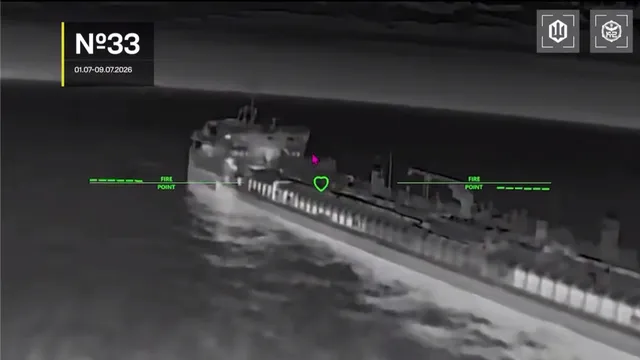
The maritime conflict between Ukraine and Russia has deep historical roots, significantly influenced by geopolitical dynamics and territorial disputes. The conflict escalated notably after the dissolution of the Soviet Union in 1991, which led to Ukraine gaining independence and control over its territorial waters in the Black Sea and the Sea of Azov. The strategic importance of these waters, particularly for trade and military positioning, has made them a focal point of contention. The situation intensified in 2014 when Russia annexed Crimea, a peninsula that had been part of Ukraine, claiming historical ties and strategic interests. This annexation not only altered the balance of power in the region but also allowed Russia to exert greater control over the Black Sea, impacting Ukraine's access to maritime routes and resources.
Following the annexation, Ukraine faced significant challenges in securing its maritime borders and protecting its economic interests. The conflict has seen a series of confrontations at sea, including the 2018 Kerch Strait incident, where Russian forces seized three Ukrainian naval vessels and their crews, further escalating tensions. This incident highlighted the vulnerability of Ukraine's naval capabilities and the aggressive posture of Russia in asserting dominance over the maritime domain. The international community has largely condemned Russia's actions, leading to sanctions and increased military support for Ukraine from Western nations, aimed at bolstering its naval defenses and asserting its rights in the Black Sea.
In response to the ongoing maritime threats, Ukraine has sought to strengthen its naval forces and enhance cooperation with NATO and other allies. This includes joint military exercises and the acquisition of modern naval equipment to improve its operational capabilities. Additionally, Ukraine has pursued legal avenues, including cases brought before international courts, to challenge Russia's claims and actions in the Black Sea. The United Nations and other international bodies have also been involved in addressing the maritime disputes, emphasizing the need for adherence to international law and the rights of coastal states.
The maritime conflict between Ukraine and Russia remains a critical issue with implications for regional security and international relations. As tensions continue, the situation in the Black Sea is likely to evolve, influenced by both military developments and diplomatic efforts. The ongoing struggle for control over maritime resources and strategic waterways underscores the importance of a stable and cooperative approach to conflict resolution. The future of Ukraine's maritime sovereignty will depend on its ability to navigate these complex geopolitical waters while garnering support from the international community to uphold its rights and territorial integrity.