

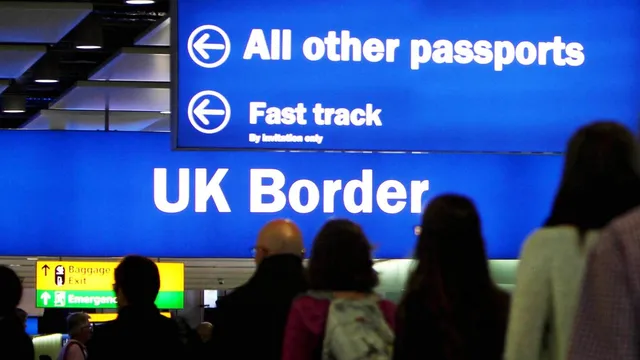
Government fails to track visa overstayers in Britain for over five years
Government fails to track visa overstayers in Britain for over five years
- No accurate data on visa overstayers has been collected in Britain for over five years.
- Legal experts estimate there could be as many as 400,000 overstayers living in the UK.
- Concerns over the lack of tracking and enforcement highlight significant flaws in the immigration system.
Story
In Britain, the issue of visa overstayers has reached alarming proportions, with no official data collected over the past five years. Community leaders and immigration lawyers suggest that the number of overstayers could be as high as 400,000, although the Home Office has struggled to track the actual figures due to complications from Brexit and the COVID-19 pandemic. The previous method of tracking involved comparing arrivals and departures, but has become unreliable, leading to concerns about the government's lack of oversight on the immigration situation. Many individuals express fears of living in the shadows as visa overstayers, relying on local community support to survive. Reports indicate that large numbers of individuals are entering the UK on temporary visas with the intention of overstaying. This issue has been exacerbated by the challenges faced by the Home Office in implementing effective tracking systems. Immigration lawyers have highlighted the significant increase in people arriving on visitor visas in recent years, with many attempting to exploit loopholes in the system. As public and legal sentiment shifts, the lack of transparency may affect public trust in the government’s ability to manage immigration effectively. The UK has experienced an increase in population from certain regions, particularly South Asia, owing to post-Brexit visa opportunities. Many migrant individuals express that their livelihoods depend on the support of their local communities, rendering them vulnerable in terms of housing, income, and legal status. Those interviewed reveal that they perceive Britain as an appealing destination to stay undocumented, often leading to a reliance on cash-based employment in informal settings, further complicating their situation. Despite increasing awareness of this pressing issue, the Home Office has not presented any new methods to address tracking overstayers. The findings suggest that the inability to monitor visa overstayers raises questions about broader immigration policies and enforcement. Local communities are burdened as they navigate the existing challenges brought on by an influx of individuals seeking informal work and support while operating outside the legal framework. As this situation continues to unfold, pressure mounts on government officials to establish clearer oversight in immigration matters.
Context
The impact of Brexit on UK immigration has been profound and multifaceted, fundamentally reshaping the landscape of migration policy in the country. Following the 2016 referendum, the UK’s decision to leave the European Union (EU) marked a definitive shift from the previously established free movement framework that facilitated the entry of EU citizens into the UK labor market. Under the new Points-Based Immigration System implemented in January 2021, all individuals wishing to work or reside in the UK must meet specific criteria, leading to a decrease in the influx of workers from Europe. This new system prioritizes skill levels and income thresholds, creating a more restrictive environment for low-skilled workers, a category that previously encompassed many EU nationals in sectors such as agriculture, hospitality, and construction. Consequently, businesses in these sectors have reported severe labor shortages, prompting concerns about the economic implications of reduced EU labor supply. In addition to the changes in immigration policy, Brexit has also had significant ramifications for public sentiment and social cohesion. With immigration emerging as a key issue during the Brexit campaign, polarization around the subject has intensified. Many EU nationals living in the UK faced uncertainty regarding their status, leading to increased registration for the EU Settlement Scheme, allowing them to secure their rights to remain in the country. The withdrawal from the EU has also affected British nationals living in EU countries, who have encountered similar challenges, compounding the effects of Brexit on personal and familial ties across borders. As a result, the cohesive multicultural fabric that characterized the UK prior to Brexit has faced scrutiny, with long-term implications for community relations and national identity. The ramifications of Brexit extend beyond immediate immigration changes to encompass broader socioeconomic impacts. Initially, there was a marked decline in net migration, particularly from EU countries, causing shifts in demographic trends and workforce availability. Studies have shown that certain sectors reliant on migrant labor have needed to adjust to maintain productivity levels, leading to discussions about the importance of a flexible immigration system that can adequately respond to labor market demands. Moreover, educational institutions, research entities, and healthcare services have advocated for policy adjustments to ensure that they can continue to attract international talent, which is essential for the UK's competitive edge in a globalized economy. In conclusion, the impact of Brexit on UK immigration represents a complex interplay of policy decisions, economic needs, and social dynamics. As the country navigates its new position outside the EU, it will be crucial to assess the short- and long-term effects of these immigration changes on the economy and society at large. Adjustment and adaptability will be key; thus, evaluating ongoing developments in immigration policy will help shape the UK's future in relation to its demographic and economic resilience. The interplay between immigration and national policy will continue to be of critical importance, as the UK seeks to balance its aspirations for sovereignty with the practical realities of sustaining a vibrant, diverse, and economically viable workforce.


