

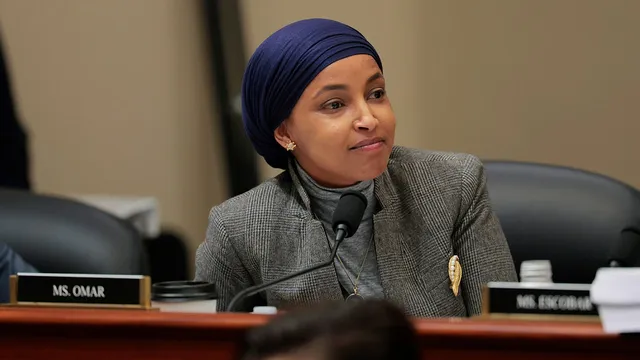
Ilhan Omar's son stopped by ICE amid profiling concerns
Ilhan Omar's son stopped by ICE amid profiling concerns
- Rep. Ilhan Omar's son was stopped by ICE in Minnesota, raising concern about racial profiling.
- The incident was reported after ICE announced increased operations in the state.
- Responses from officials indicate broader implications for civil rights and community trust.
Story
In Minnesota, Rep. Ilhan Omar reported that her U.S.-born son was pulled over by Immigration and Customs Enforcement (ICE) agents during a routine outing to a Target store. This incident occurred shortly after a significant increase in immigration enforcement activities in the state, sparking serious concerns regarding racial profiling against individuals who appear Somali or are members of other minority communities. Omar stated that her son was released after he showed his passport, which he carries due to fears of being mistakenly identified as an undocumented immigrant. This encounter highlights the distress caused by aggressive immigration enforcement practices and the perception that U.S. citizens, particularly those from marginalized backgrounds, are increasingly at risk from federal authorities. The responses from both Omar and Minnesota Governor Tim Walz emphasize the troubling implications regarding due process and civil rights, especially as federal agents are reported to be stopping and questioning individuals without clear justification, raising fears within communities about safety and trust in the government. Governor Walz condemned the actions of ICE, framing them as racially motivated rather than focused solely on apprehending criminals. This incident aligns with a broader context in which ICE has conducted operations throughout Minnesota, detaining hundreds of individuals, including serious criminals, but also reportedly affecting U.S. citizens. The calls for reassessment of enforcement strategies reflect growing tensions and fears within the community, as law enforcement tactics come under increasing scrutiny amid political rhetoric surrounding immigration.
Context
The political climate in a nation significantly influences immigration enforcement policies, often swaying them in line with the prevailing administration's ideology. Political leaders and their parties shape public perception by framing immigration issues as national security threats or vital components of economic growth. This presentation can lead to increased enforcement measures during certain administrations, while others may prioritize more lenient policies focusing on humanitarian concerns and pathways to citizenship. The cyclical nature of political power means that immigration enforcement policies are frequently reassessed in response to elections, creating an atmosphere of uncertainty for both immigrants and enforcement agencies. A primary aspect of how the political climate impacts immigration enforcement is through executive orders and legislative initiatives that alter existing regulations. For instance, in a rigid enforcement environment, agencies may receive directives to actively seek out undocumented immigrants, leading to increased deportation rates and heightened scrutiny at borders. Conversely, during administrations that lean towards more lenient immigration policies, there are often efforts to curtail enforcement actions, offering protections such as Deferred Action for Childhood Arrivals (DACA) and temporary protected status to individuals from certain countries. The lack of consistency in policies creates an unpredictable landscape for immigrants and advocates seeking clarity in their rights and responsibilities. Additionally, the interplay between local, state, and federal policies further complicates the effects of political climate on immigration enforcement. States may adopt their own enforcement measures that reflect local political sentiments, leading to a patchwork of regulations across the country. This disjointed approach can cause confusion among immigrants who may not be aware of their rights or the specific laws applicable in their locality. Moreover, the relationship between federal agencies and state enforcement can become contentious, particularly when states choose to adopt more aggressive tactics than those prescribed by federal guidelines. Such dynamics highlight the need for cohesive and unified immigration reform to avoid the fragmentation of enforcement strategies. Finally, public opinion remains a powerful force in shaping the political climate surrounding immigration. As citizens convey their preferences through voting and activism, elected officials often respond to these pressures by modifying immigration policies accordingly. The polarization of public opinion on immigration can result in sharp swings in enforcement approaches, as elected leaders attempt to align with their constituencies. Advocacy groups play a critical role in this arena as they mobilize support for immigrants and pressure policymakers for reforms, emphasizing the need for humane treatment and comprehensive immigration solutions. In summary, the impact of the political climate on immigration enforcement is multifaceted, involving a delicate balance of policy-making, public sentiment, and local versus federal dynamics.


