

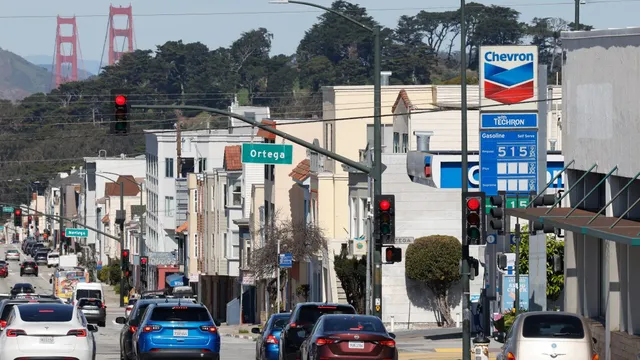
Californians face gas price crisis as Mahan calls for tax suspension
Californians face gas price crisis as Mahan calls for tax suspension
- Gas prices in California surged to an average of $5.616 per gallon as of March 19, 2026.
- San Jose Mayor Matt Mahan proposed suspending the state's gas taxes temporarily, highlighting the financial strain on families.
- The upcoming gubernatorial elections will determine the path forward in addressing California's gas price crisis.
Story
In recent weeks, California has seen gas prices soar significantly due to factors linked to the ongoing war in Iran. On March 19, 2026, data from AAA revealed that the average price for a gallon of gasoline in the state rose to $5.616, a sharp increase from $4.593 just a month earlier. California maintains the highest gas prices in the United States, affected by a combination of local taxes, supply issues, and environmental regulations. This situation has prompted gubernatorial candidates to propose various solutions to alleviate the financial burden on citizens. As the political landscape in California heats up ahead of the gubernatorial elections, candidates are vocal about their strategies to address the gas price surge. San Jose Mayor Matt Mahan, among eight Democrats vying for the position, advocated for a temporary suspension of California's high gas taxes, which amount to $0.90 per gallon when combined with local and federal fees. Mahan emphasized the need for immediate action, framing the rising prices as an emergency for working families across the state. He suggested that the tax suspension should last for the duration of the war in Iran or until gas prices decline below $5 per gallon. Conversely, former Los Angeles Mayor Antonio Villaraigosa focused on revising the regulations surrounding California's refineries. In his proposals, he called for an immediate halt to the regulations that he believes are excessively burdensome, thus impacting the supply of gasoline in the state. His approach underscores a shift from tax adjustments to regulatory reform as a solution to the ongoing crisis. Villaraigosa’s perspective highlights the complexity of the issues facing California’s energy landscape, as he believes it's essential to address the root causes of the supply problems. The path forward for Californians regarding gas prices remains unclear as the election draws closer. With multiple candidates presenting competing strategies, the decision on how best to provide relief to drivers will depend on the outcome of the gubernatorial race. The Democratic Party’s failure to endorse a single candidate emphasizes the crowded field, where the two candidates with the highest votes, regardless of their party affiliations, will proceed to the general election. Thus, the methodologies proposed by candidates will likely shape future discussions on energy policies in California and their implications for working families.
Context
California has long been a focal point for discussions surrounding gas taxes and their implications on the economy and environment. As of March 2026, proposals have emerged to suspend the state gas tax, which has been a burden for many residents who are impacted by the continuous rise in fuel prices. Proponents of the suspension argue that it would provide immediate financial relief to consumers, particularly amid inflationary pressures and a turbulent economic landscape. The gas tax in California has historically been one of the highest in the nation, designed to fund transportation infrastructure. However, with changing transportation dynamics and an increasing push towards electric vehicles, the rationale for maintaining such a high tax is being revisited. There is a growing consensus that the funds generated from the gas tax need to be evaluated thoroughly in light of shifting energy paradigms and a potential decrease in fossil fuel reliance in the coming years. Opponents of the gas tax suspension highlight that the revenue generated is critical for maintaining and improving California's roadways and public transportation systems. They argue that suspending the tax could lead to prolonged issues with infrastructure neglect, affecting overall safety and mobility for Californians. Additionally, there are concerns about how such a suspension would be financed, considering the state’s budget and the potential long-term impacts on transportation funding. Critics also point towards the consequences of reduced funding for environmental initiatives, particularly as California positions itself as a leader in the fight against climate change. The balance between economic relief for consumers and the necessity of maintaining robust infrastructure and environmental standards presents a complex challenge for policymakers. As discussions continue, various stakeholders are weighing in on the fiscal impacts of gas tax suspension proposals. Advocacy groups are pushing for a sustained evaluation of the economic effects on low-to-middle-income families who are disproportionately affected by rising gas prices. The proposals have also triggered debates around the state’s commitment to transitioning towards renewable energy sources and reducing the carbon footprint associated with transportation. Elements such as decreasing congestion, enhancing public transit options, and improving air quality are crucial considerations in these discussions. The outcome of these proposals might significantly reshape how transportation funding is allocated in the near future and influence consumer behavior regarding fuel consumption. In summary, California's gas tax suspension proposals showcase the intricate dynamics at play between economic relief, infrastructure funding, and environmental safeguards. As legislators deliberate, the tension between immediate financial relief for residents and the need for sustainable transportation development remains a critical focal point. The state's unique position as a trendsetter for both transportation policies and environmental initiatives will undoubtedly influence the direction of these proposals and the broader implications they carry for the economy and the future of California's environmental goals.


