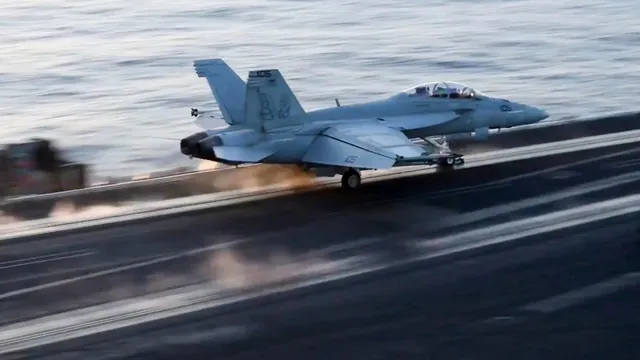
In December 2024, the USS Harry S. Truman was engaged in military operations against Yemeni Houthi forces. During the first defensive strike, a friendly fire incident occurred when the USS Gettysburg mistakenly identified F/A-18F fighter jets from Truman as enemy threats, resulting in the destruction of one U.S. jet. Following this incident, the Truman collided with a merchant vessel in February 2025 while navigating the busy waters outside the Suez Canal. Investigations found that crew stress and unsafe navigation practices contributed to this collision.
Later, in April 2025, another F/A-18F jet fell overboard during a sharp maneuver to avoid an incoming missile. The investigation pointed to a lack of communication among the crew and deficiencies in the handling of the aircraft as contributing factors. Finally, in May 2025, yet another jet was lost during landing when a critical cable snapped due to poor maintenance practices. Investigators discovered that a connecting pin had been allowed to degrade over multiple landings, leading to the cable's failure. The reports emphasized systemic issues within the Navy’s culture that prioritized operational tempo over proper maintenance, suggesting that this led to preventable failures and mishaps.
The findings revealed a troubling pattern concerning crew stress and operational demands that created a high likelihood for dangerous situations. The command structure was criticized for the insufficient training and preparedness of crews, as well as their reliance on technology without fully understanding the equipment's limitations. Additionally, leadership issues were highlighted, as senior officers failed to address the pressing maintenance needs of aircraft systems adequately.
The Navy's investigations underline the complex challenges maritime forces face when conducting operations in hostile environments, especially under time constraints. The results serve as a cautionary tale about the consequences of neglecting training and maintenance in favor of operational speed. These mishaps call into question the Navy's approach to managing personnel and equipment under stress, emphasizing the urgent need for reforms to prevent similar incidents in the future.