

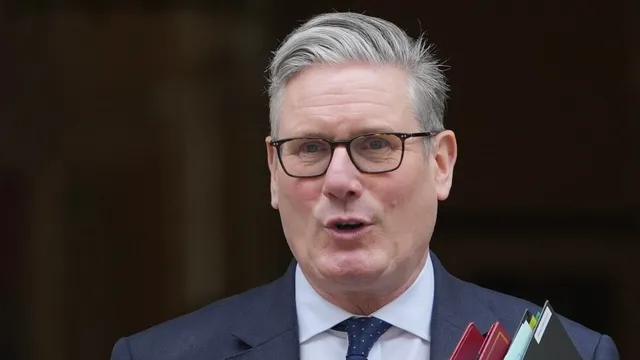
Trump blasts Starmer for damaging UK-US relationship over Iran
Trump blasts Starmer for damaging UK-US relationship over Iran
- The UK Prime Minister Keir Starmer initially refused to allow the U.S. to use military bases for attacks on Iran, causing tensions.
- Donald Trump publicly criticized Starmer for being unhelpful and damaging the UK-US relationship.
- The ongoing diplomatic fallout reflects deeper issues in maintaining a cooperative relationship amidst military conflicts.
Story
In early March 2026, the United Kingdom's Prime Minister Keir Starmer faced a serious diplomatic crisis with the United States regarding military actions in Iran. The conflict arose after the U.S. and Israel initiated strikes against Iran, leading to disagreements on the use of UK military bases for these operations. Initially, Starmer refused to allow the U.S. to use UK bases, which prompted a public fallout with U.S. President Donald Trump, who expressed his discontent and labeled Starmer as uncooperative. The situation was compounded by historical sensitivities surrounding UK's military involvement in previous conflicts, leading Starmer to highlight the lessons learned from the Iraq War. The prime minister's decision-making was reflective of a desire to maintain legality and British national interest while balancing international expectations. Despite granting permission for some military operations, Starmer’s cautious stance has strained the longstanding 'special relationship' with the U.S., indicating that current diplomatic dynamics are threatening future cooperation. Trump's dissatisfaction with Starmer was evident in several statements, where he articulated feelings of sadness towards the deterioration of ties between the two nations, as compared to previous administrations.
Context
Military actions have a profound impact on international relations, shaping alliances, fostering tension, and influencing diplomatic negotiations. The ramifications of military engagement can extend far beyond the immediate conflict, affecting global stability, economic sanctions, and humanitarian crises. For instance, when a nation employs military force, it often triggers a reevaluation of diplomatic relationships with both adversaries and allies. Countries may find themselves realigning with new partners or strengthening existing alliances based on perceived threats or shared interests, which can lead to long-term strategic shifts in international relations. The legal framework surrounding military actions, such as the United Nations Charter, provides guidelines on the use of force, yet these principles can be interpreted differently depending on the context. Often, military interventions are justified with claims of national security, humanitarian aid, or the need to uphold international laws. However, the legitimacy of such actions is frequently contested, which can lead to divisions in international opinion and the undermining of multilateral organizations. The 2003 invasion of Iraq serves as a notable case; while it was initially supported by a coalition of countries, it later faced widespread condemnation, leading to a decrease in trust towards the U.S. and its allies in international forums. Furthermore, military actions can have a cascading effect on global power dynamics. For example, nations that engage in military operations may find themselves isolated if the international community perceives those actions as unjustified. Conversely, countries that can navigate military engagements while maintaining diplomatic ties are often seen as more influential on the world stage. This dichotomy creates a complex landscape where military actions must be carefully considered, as the consequences can have far-reaching implications for both the aggressor and the global community. The impact of military actions is particularly evident in regions where conflicts lead to humanitarian crises, prompting responses from international organizations that can further complicate diplomatic relations. In the digital age, information warfare and cyber operations have introduced new dimensions to how military actions impact international relations. The ability to influence public opinion through social media or to disrupt critical infrastructure poses fresh challenges for nation-states. Military actions, especially those involving technology, can alter traditional dynamics of power, as well as how nations perceive their security needs. As the nature of conflicts evolves, the interconnectedness of global relations becomes increasingly important, highlighting the necessity for nations to engage in dialogue and pursue diplomatic solutions to potential military confrontations.


