

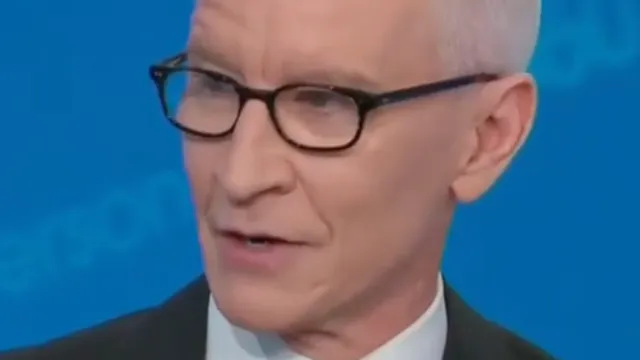
Donald Trump insults female reporter over Epstein questions
Donald Trump insults female reporter over Epstein questions
- During a press gaggle on Air Force One, Trump told a female reporter to be 'quiet, piggy' while she asked about Epstein files.
- The reporter was later confirmed to be from Bloomberg, and the incident occurred as Trump made a significant shift in his approach to the Epstein scandal.
- This exchange has drawn criticism and brought attention to Trump's style of handling media inquiries, particularly regarding sensitive subjects.
Story
In the United States, a controversial encounter occurred on November 14, 2025, when President Donald Trump addressed a female reporter aboard Air Force One. The President was returning to Washington D.C. after a visit to Mar-a-Lago, Florida, when the female journalist, identified later as working for Bloomberg, began to ask a question concerning the Epstein files. Prematurely interrupting her, Trump exclaimed, "Quiet, piggy," gesturing with a finger towards her. This incident quickly went viral, resulting in a wave of public backlash against the President. The reporter attempted to inquire about the contents of the Jeffrey Epstein files and whether there was anything incriminating related to Trump. The President, however, dismissed the question and referred to his past relationship with Epstein, saying he had a "very bad relationship" with him. This anecdote came amidst growing scrutiny over Epstein's connections to various powerful figures, including Trump himself. Critics quickly pointed out the irony of Trump calling someone "piggy" given his own health and body image issues. The incident underscores the contentious atmosphere surrounding Epstein’s investigations and Trump’s personal ties to the deceased sex offender. In the days leading up to the Air Force One exchange, President Trump had instructed House Republicans to support legislation aimed at releasing all unclassified files related to Jeffrey Epstein. The House of Representatives was set to vote on this matter shortly after the press encounter, suggesting a significant shift in Trump's strategy regarding the scandal. Previously, he had maintained a stance of avoiding discussions surrounding Epstein, even branding accusations leveled against him as a "Democrat hoax." After the incident became the subject of widespread discussion, many individuals took to social media to express their outrage over Trump's comment. Late-night host Jimmy Kimmel remarked, "If a man spoke like that to a female coworker in a workplace harassment training video, you’d think, ‘Ah, that’s over the top.’" Moreover, Trump further ignited controversy during subsequent interactions with other reporters, including an ABC journalist, whom he labeled as a "terrible reporter" due to perceived hostility in her questioning style. This series of events indicates a trend of Trump's confrontational demeanor towards the press, particularly when addressing sensitive topics like the Epstein scandal, which continues to loom over his presidency and public image.
Context
trends insight global geopolitical global data data strategic trends geopolitical policy market shift data geopolitical shift analysis analysis policy trends economic geopolitical insight economic data geopolitical trends economic strategic economic data global analysis geopolitical geopolitical trends data trends policy economic impact strategic shift insight impact trends shift policy policy shift global analysis impact shift data geopolitical insight market data economic analysis economic market data shift trends policy trends global trends impact data geopolitical policy market shift global shift insight data...


