

Historic birth: first Asian elephant calf in 25 years arrives at National Zoo
Historic birth: first Asian elephant calf in 25 years arrives at National Zoo
- A baby Asian elephant was born at the Smithsonian's National Zoo on February 2, 2026, marking the first elephant birth at the zoo in 25 years.
- The newborn's mother is Nhi Linh, a first-time mom who has been bonding with her calf under the care of zoo staff.
- This historic birth is a significant milestone for Asian elephant conservation, with public naming votes currently ongoing for the calf.
Story
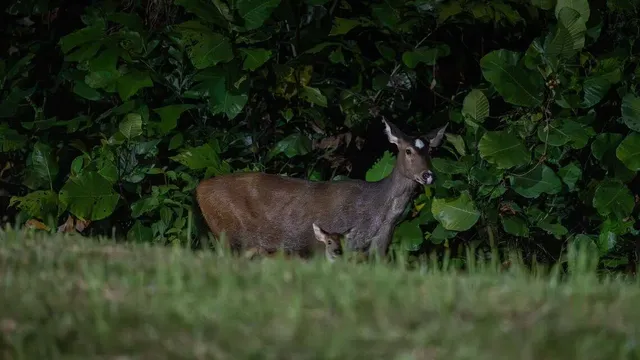
On February 2, 2026, a baby Asian elephant made her debut at the Smithsonian's National Zoo in Washington, D.C., marking a significant event as it was the first elephant birth at the zoo in nearly 25 years. This momentous occasion took place shortly after 1 a.m. when the 308-pound female calf was born following a lengthy 21-month gestation period. The newborn's mother, Nhi Linh, a first-time mother born in the Netherlands, has been observed bonding closely with her calf under the attentive care of the zoo's staff. This birth is not only a joyful moment for the zoo but also a vital achievement for the conservation of Asian elephants globally, reaffirming the efforts made by the Smithsonian in the preservation of these species for over five decades. The calf's arrival comes at a time when Asian elephants face significant threats in the wild due to habitat loss and poaching. By studying elephants in captivity, the National Zoo aims to gather crucial insights that can help bolster conservation initiatives aimed at protecting their wild counterparts in Southeast Asia. The zoo's dedication to these efforts is evident as they have been actively involved in both research and breeding programs designed to support Asian elephants. Nhi Linh was part of a breeding program introduced to enhance the genetic diversity and health of this species, providing hope for its future. Following the birth, zoo officials indicated that the health and development of the calf would dictate when she would be available for public viewing. They are committed to ensuring that the elephant's environment is suitable for her growth. Enthusiastic animal lovers and zoo supporters are excited about this golden opportunity as the zoo has opened a public naming vote for the calf, allowing visitors to contribute to her identity. The names proposed include Linh Mai, Thảo Nhi, Tú Anh, and Tuyết, reflecting various significant meanings linked to her birth. In Singapore, a noteworthy development has also emerged in wildlife conservation, particularly with a rare sambar deer, affectionately known as White Dot, giving birth to a fawn just a day after the elephant’s arrival. As the sambar deer are classified as vulnerable, this birth symbolizes a critical boost for their conservation efforts. It serves as a reminder of the continuous challenges and requirements in wildlife preservation while highlighting the importance of protecting both Asian elephants and sambar deer, as they strive to thrive in urbanized environments despite substantial threats to their populations.
Context
Breeding programs play a crucial role in wildlife conservation, acting as a vital strategy to mitigate the impacts of habitat destruction, climate change, and other threats that endanger biodiversity. These programs are designed to maintain and enhance genetic diversity, increase population numbers, and ultimately support the reestablishment of species in their natural habitats. In the face of rapid environmental changes and loss of habitat, traditional conservation methods often prove insufficient; hence, breeding programs can supplement these efforts by creating viable populations that are better equipped to survive in changing ecosystems. The implementation of breeding programs can take various forms, such as captive breeding, genetic management, and habitat restoration efforts. Captive breeding involves the careful management of species in controlled environments, allowing for breeding to occur outside their natural habitats. This approach is particularly essential for critically endangered species, where few individuals remain in the wild. By selectively breeding individuals with desirable traits, conservationists can enhance genetic variation, which is vital for the long-term survival of the species. Genetic management also ensures that inbreeding is minimized and that the gene pool is as diverse as possible, equipping the population to adapt to environmental pressures. Moreover, breeding programs are often coupled with habitat restoration efforts to prepare for the eventual reintroduction of species into their native ecosystems. Successful case studies, such as the recovery of the California condor and the Arabian oryx, demonstrate that coordinated captive breeding and field efforts can lead to successful reestablishment of populations. These species, once on the brink of extinction, have seen increased numbers thanks to dedicated conservation strategies. Their recovery underscores the importance of integrating breeding programs with on-the-ground conservation measures, providing a roadmap for similar efforts with other threatened species. Ultimately, breeding programs are indispensable for wildlife conservation, serving not only as a tool for population increase but also as a means of preserving genetic diversity necessary for species adaptation. It is essential that these programs are carried out with careful planning, adequate financial support, and ongoing research to monitor population health and genetic variability. As conservationists face new challenges in a rapidly changing world, breeding programs can serve as a beacon of hope, ensuring that we do not lose our planet's remarkable biodiversity.


