

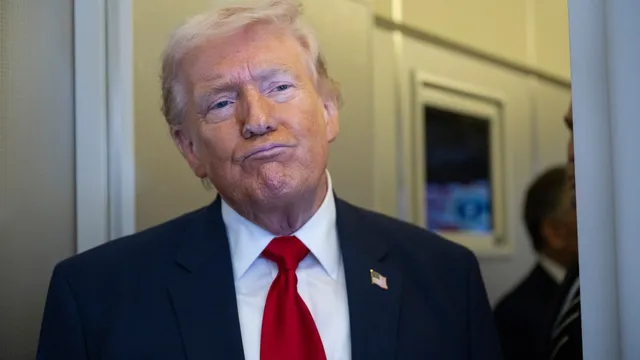
Trump imposes new tariffs amidst legal chaos over previous policies
Trump imposes new tariffs amidst legal chaos over previous policies
- Legal challenges against Trump’s tariff policies have emerged from major companies and multiple states.
- Thousands of businesses have been authorized to seek refunds from tariffs the Supreme Court eliminated.
- The continuous legal battles illustrate the challenges of the Trump administration's reliance on tariffs as a revenue source.
Story
In response to ongoing legal challenges regarding tariffs, President Donald Trump enacted new tariffs on several imports following a significantly impactful Supreme Court decision. The ruling invalidated previous tariffs that had generated $133 billion and prompted over 2,000 companies, including major corporations, to file lawsuits for refunds of the unlawful charges. Specifically, Arizona Attorney General Kris Mayes criticized Trump’s new approach, labeling it as an attempt to reassert constitutional violations under a different legal framework. This situation underscores the fraught relationship between trade policies and legal accountability in the United States, particularly regarding economic repercussions felt across various sectors. The financial implications of these legal challenges are profound, with tariffs originally aimed at boosting domestic revenue. Trump's administration is now caught in a complex web of lawsuits from companies like Costco, Iam Wanxiang Automotive Components, PMI Worldwide, and more. These entities argue they are suffering economic harm due to the previously imposed tariffs and are seeking restitution as the federal court begins processing claims. With Costco’s class-action lawsuit filed on March 11, 2026, the case highlights the economic strain imposed on consumers who bear the costs of tariffs indirectly through increased prices. New York Attorney General Letitia James expressed concerns that Trump's continued imposition of tariffs further exacerbates economic turmoil in the nation. The legal strategies pursued by corporations reflect a growing sense of urgency to address what they view as unlawful tax impositions. Companies are faced with the possibility of long waits for judicial resolutions regarding the refunds owed and clarity on the legal standing of the new tariffs. As the Trump administration gears up for potentially significant financial repercussions from the Supreme Court's ruling and subsequent lawsuits, the long-term impacts on U.S. manufacturing are still unfolding. Trump’s reliance on tariffs as a critical instrument for economic strategy is seen as traditional methods falter, raising questions about the efficacy and legality of such measures moving forward. Both federal officials and businesses are navigating a landscape muddy with legal disputes, economic impact assessments, and the political ramifications of Trump's aggressive tariff policies still remaining in effect.
Context
The Trump administration's trade policy changes marked a significant shift in the approach to U.S. economic relations with other countries. This period was characterized by a departure from long-standing free trade principles, leading to the implementation of more protectionist measures intended to favor American industries. Key changes included the renegotiation of existing trade agreements, the introduction of tariffs, and a general emphasis on promoting domestic manufacturing and reducing trade deficits. The policies were primarily aimed at counteracting what the administration perceived as unfair practices by trading partners, particularly China. One of the most notable developments was the renegotiation of the North American Free Trade Agreement (NAFTA), which resulted in the United States-Mexico-Canada Agreement (USMCA). This new agreement sought to modify provisions in areas like labor rights and environmental regulations while providing increased protections for American dairy and automobile industries. The administration aimed to ensure that American workers would benefit more from the trade relationship with its northern and southern neighbors, promoting a more balanced trade environment. The USMCA was a cornerstone of the administration's efforts to demonstrate that it was willing to confront and alter existing trade dynamics. Additionally, the Trump administration employed tariffs as a tool to exert pressure on foreign governments. Notably, tariffs were imposed on steel and aluminum imports, leading to retaliatory measures from countries such as Canada and the European Union. These tariffs were justified by national security concerns, but they faced criticism for their potential to raise prices for consumers and disrupt international supply chains. The administration's approach was controversial and spurred debates about the long-term implications for global trade and U.S. economic health. While the Trump administration's trade policies aimed for immediate results, their effectiveness and long-range consequences remain subjects of analysis. Critics argued that the protectionist measures could lead to trade wars, harm U.S. exporters, and result in reduced economic growth. Supporters contended that these policies were necessary to rectify imbalances and defend American jobs from foreign competition. Ultimately, the trade policy changes during the Trump administration represented a fundamental shift in the United States' approach to international trade, reflecting a focus on nationalism and a reevaluation of what constitutes fair trade.


