
sport
provocative
controversial

Colin Kaepernick named most relevant figure for Super Bowl LX despite years away from NFL

Feb 8, 2026, 10:55 AM20
(Update: Feb 8, 2026, 6:00 PM)
American football player (born 1987)
daily broadsheet newspaper in Washington, D.C.
professional American football league

Colin Kaepernick named most relevant figure for Super Bowl LX despite years away from NFL

  • The Washington Post highlighted Colin Kaepernick as a central figure ahead of Super Bowl LX.
  • Kaepernick has been out of the NFL for nearly ten years and has become synonymous with social activism.
  • The discussion around Kaepernick raises questions about the ongoing impact of social issues in sports.
Share your opinion
2

Story

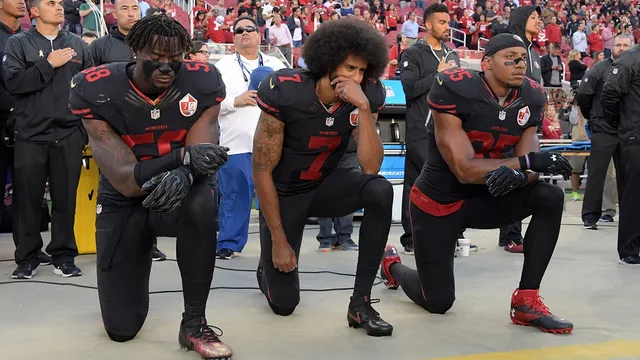
In the lead-up to Super Bowl LX, which took place on February 12, 2026, The Washington Post sparked considerable controversy by labeling former San Francisco 49ers quarterback Colin Kaepernick as the 'most relevant figure' associated with the game. Despite Kaepernick's absence from the NFL for nearly ten years, the column emphasized the significance of his legacy and protests against social injustice, which were deeply intertwined with the cultural conversations surrounding sports and America at large. The game was occurring at Levi's Stadium in Santa Clara, California, a site closely linked to Kaepernick's career, where his national anthem protests became emblematic of the social issues of the time. The piece by Adam Kilgore intended to probe the intersection of sports and social commentary, particularly against the backdrop of time's passage since Kaepernick's kneeling protest, which aimed to bring attention to racial inequality, police brutality, and systemic injustices in the United States. Kaepernick's actions had generated substantial backlash and discussion, leading to significant consequences in the NFL, including a lawsuit where Kaepernick accused the league of collusion for effectively blackballing him after his protests began, which he ultimately settled. Despite the column's evident intent to reignite discourse on Kaepernick's contributions, it faced criticism for trying to position him at the forefront of a Super Bowl conversation that many view as being more focused on the competition and entertainment aspects of the event. While the original article placed Kaepernick's legacy against the current socio-political landscape, particularly observations about immigration policies under the Trump administration at that time, it underlined the apparent disconnection between his past and current relevance in the league—a scenario fraught with complexities regarding race, justice, and sports culture. In a world where Kaepernick's legacy still resonates, the notion that he remains 'invisible within the confines of the NFL' is striking, as it highlights the ongoing challenges minority voices face in mainstream sports. The public's reaction, particularly on social media platforms, demonstrated that while Kaepernick's actions are undoubtedly pivotal, there remains a segment that chooses to overlook these issues during events focused primarily on athletic competition. The conversation surrounding Kaepernick continues to fuel debate regarding social activism in sports and raises questions about how athletes can leverage their platforms for broader social change, revealing ongoing struggles against complacency and historical patterns of silence.

2026 All rights reserved
