

Kaiser Permanente workers end strike after wage negotiations
Kaiser Permanente workers end strike after wage negotiations
- Over 31,000 Kaiser Permanente health care workers, including registered nurses, participated in a four-week strike for better wages and staffing.
- The United Nurses Associations of California revealed that significant progress was made at the bargaining table, prompting the end of the strike.
- The return to work signifies a potential shift in labor conditions within the healthcare sector, representing worker solidarity and advocacy for improved employment policies.
Story
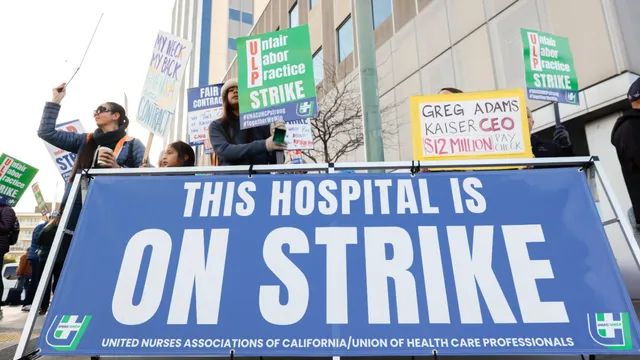
In California and Hawaii, an estimated 31,000 registered nurses and other frontline health care workers employed by Kaiser Permanente concluded a four-week strike on February 24, 2026. The strike was initiated to push for improved wages and better staffing conditions, bringing attention to long-standing issues in healthcare work environments. The United Nurses Associations of California and the Union of Health Care Professionals facilitated the strike and highlighted the need for negotiations regarding employee compensation and working conditions. The decision to end the strike came after significant movement at the bargaining table was reported on February 23, 2026. The strike led to widespread disruption in the healthcare services provided by Kaiser Permanente across the two states, affecting patients and the overall healthcare system's operation. Striking workers expressed concerns about understaffing, which they argued compromised patient care and increased workloads on existing staff members. This situation had been exacerbated by various challenges faced in the healthcare sector, particularly in the wake of the COVID-19 pandemic, which had strained resources and altered staffing needs. Solidarity among workers was strong, leading to a united front in advocating for their rights. As negotiations resumed, both parties engaged in discussions centered on compensation and staffing levels. The promise of significant changes seemed to create a conducive environment for dialogue and eventually played a crucial role in workers’ decision to return to their roles. While specific details on the outcome of the negotiations have yet to be disclosed, the statements from union representatives indicated a positive progression in their discussions with management. The resolution of the strike could set a precedent for other healthcare facilities facing similar demands from their workforce. The effective cessation of the strike may not only improve conditions for Kaiser Permanente employees but could also encourage other organizations in the healthcare sector to reassess their employee policies and consider similar negotiations. The broader implications for labor movements in healthcare continue to unfold as this sector remains under scrutiny for its handling of workers’ rights in various contexts.


