

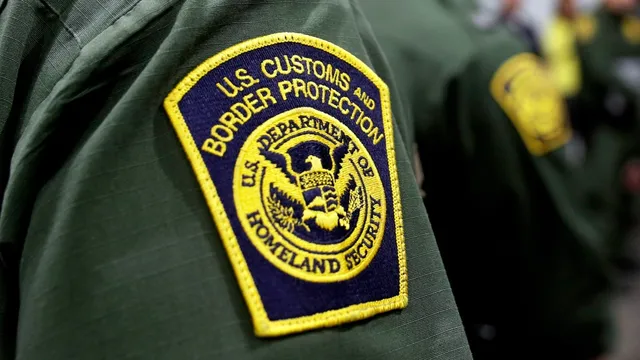
Man critically injured after assaulting federal officer in Arizona
Man critically injured after assaulting federal officer in Arizona
- A shooting incident occurred involving U.S. Border Patrol agents in southern Arizona, resulting in one person critically injured.
- The injured individual, Patrick Gary Schlegel, allegedly assaulted a federal officer, leading to gunfire from Border Patrol agents.
- The incident is under investigation, amid rising tensions and public protests against federal enforcement actions.
Story
On January 27, 2026, a critical incident occurred involving U.S. Border Patrol agents in Arivaca, Arizona, just 10 miles north of the U.S.-Mexico border. Around 7:30 a.m., Patrick Gary Schlegel, a 34-year-old man with a criminal history, reportedly opened fire on a Border Patrol helicopter when agents attempted to detain him. In response, federal agents returned fire, injuring Schlegel, who was subsequently transported to a local trauma center in critical condition following surgery. Law enforcement officials are investigating the incident, which occurred in an area known for its border enforcement activities. The circumstances surrounding the shooting are still unclear, and a collaborative investigation involving the Pima County Sheriff’s Department and the FBI is underway. Notably, in incidents involving federal agents, it is standard practice for local law enforcement to assist with investigations, illustrating the complex relationship between federal and local agencies. As the investigation unfolds, it remains uncertain whether any federal officers sustained injuries during the confrontation. This incident coincides with heightened tensions following recent violent encounters between federal agents and citizens, notably the fatal shootings of two U.S. citizens in Minneapolis this month. These incidents have led to public outcry, protests, and criticism towards the Department of Homeland Security regarding its enforcement practices. Amid the political turmoil, calls have intensified for accountability surrounding the use of force during federal enforcement actions. Protests across the nation emphasize dissatisfaction with how immigration laws and border control measures are executed, particularly concerning the risk to civilian lives. President Donald Trump has publicly defended Secretary Kristi Noem's actions amidst these criticisms, asserting that she is performing her duties well. The growing scrutiny of federal law enforcement tactics raises questions about the balance between national security and civil rights. As this latest shooting incident remains under investigation, the community in Arizona and across the country watches closely as officials respond to the increasing demands for reform in immigration and border enforcement policies.
Context
analysis analysis geopolitical trends geopolitical geopolitical market strategic economic insight market data policy policy analysis market analysis analysis impact shift global impact strategic strategic data global impact economic insight strategic market strategic policy policy market strategic economic data policy geopolitical impact analysis strategic strategic insight market insight market strategic trends insight analysis insight policy analysis strategic policy shift data analysis market market analysis analysis market policy insight market policy impact market shift strategic market shift policy market policy trends strategic...


