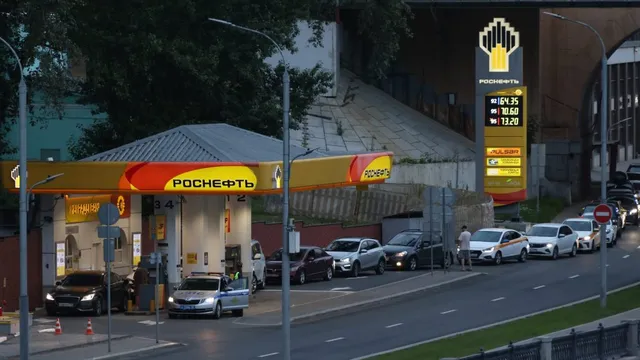
In recent months, Russia has been grappling with a severe fuel crisis, primarily attributed to Ukraine's ongoing campaign of drone strikes targeting oil infrastructure within Russian territory. These attacks have led to significant disruptions in oil refining operations, with energy analysts estimating that over 25% of Russia's refining capacity has been rendered inoperative. The situation has escalated to the point where even civilians far from the conflict zones, such as those in the Siberian city of Irkutsk, are experiencing the repercussions of the war. Long lines at gas stations have become a common sight, with some motorists waiting for hours to fill their tanks.
One notable incident involved a mother, Alyona Sadovnikova, who, along with her husband and their 18-month-old child, waited in line for 18 hours to obtain gasoline. This ordeal highlights the extent of the fuel shortage, which has been exacerbated by the government's rationing measures. Sadovnikova expressed her shock at the situation, likening it to the Soviet era when citizens had to rely on coupons for basic necessities. The fuel crisis is further straining Russia's economy, which is already facing challenges such as high inflation and rising interest rates.
In response to the fuel shortages, the Russian government has implemented measures such as banning the export of gasoline and jet fuel to prioritize domestic supply. Additionally, there have been reports of gas stations closing down, and in some regions, local officials have noted that a significant portion of gas stations are no longer operational. The situation in Crimea, which has been under Russian control since its annexation in 2014, is particularly dire, with authorities declaring that fuel is now primarily reserved for municipal and emergency services.
Despite the severity of the crisis, Russian officials, including President Vladimir Putin and Deputy Prime Minister Alexander Novak, have downplayed the situation, claiming that the fuel market remains manageable. However, the reality on the ground tells a different story, as rising gasoline prices and increasing frustration among drivers lead to conflicts at gas stations. The ongoing drone strikes by Ukraine continue to pose a significant threat to Russia's oil infrastructure, raising concerns about the long-term implications for the country's energy sector and overall economy.