

Chilean wildfires kill 18 and displace thousands amid catastrophe declaration
Chilean wildfires kill 18 and displace thousands amid catastrophe declaration
- Wildfires in central and southern Chile have scorched thousands of acres, destroying hundreds of homes and leading to numerous fatalities.
- Over 50,000 people have been forced to evacuate as emergency services struggle to control the blazes exacerbated by high temperatures and strong winds.
- The declaration of a state of catastrophe highlights the severity of the situation, yet local officials reported insufficient federal support during the crisis.
Story
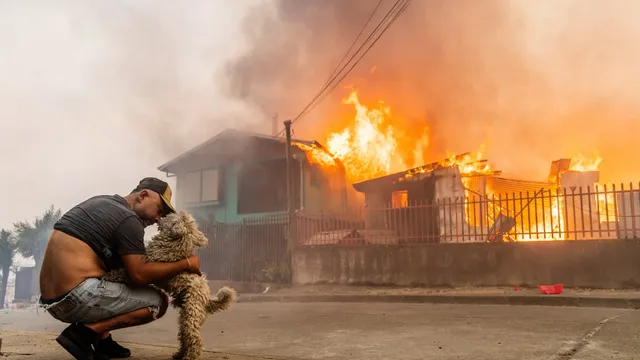
In January 2026, wildfires erupted across central and southern Chile, predominantly affecting the regions of Nuble and Biobío. The intense heatwave, with temperatures surpassing 38°C (100°F), compounded the impact of these fires, which rapidly consumed thousands of acres of forest and multiple homes. President Gabriel Boric responded to the evolving crisis by declaring a state of catastrophe, enabling enhanced coordination between local and military firefighting efforts. However, many communities, such as Penco, reported insufficient governmental assistance and were caught off guard by the sudden onset of these wildfires. The situation in Penco exemplified the extensive damage inflicted by the blazes. Numerous residents, believing the fire would not spread into their neighborhoods, chose to remain in their homes. Tragically, the fires did encroach upon these areas with devastating consequences, leading to widespread destruction of property and loss of life. Reports from local authorities indicated that at least 18 fatalities were linked to the wildfires, with concerns over the potential for an escalating death toll as firefighters continued their battle against the flames. Approximately 50,000 individuals were evacuated from their homes in response to the hazardous conditions created by the wildfires. Initially, efforts to combat the fires were stalled by strong winds, hindering the capabilities of the firefighters on the ground. Despite Boric's active efforts to address the emergency situation, local officials expressed frustration over the delayed federal response, with some communities experiencing prolonged periods without essential support or resources during the crisis. The devastation was compounded by the inability of many families to evacuate earlier due to the sudden nature of the fire outbreak. Continuing investigations and recovery efforts revealed the extensive scope of the destruction caused by the wildfires. Authorities noted that thousands of acres had already burned, resulting in significant loss of property and disruption to the affected communities. Moving forward, the Chilean government faces the challenges of enhancing disaster preparedness and response in the face of worsening climate conditions that have led to more severe wildfires in recent years. The events serve as a stark reminder of the ongoing environmental challenges confronting many regions of South America.
Context
Climate change has emerged as a significant threat to ecosystems worldwide, with its impacts being particularly pronounced in regions prone to wildfires, such as Chile. The country experiences a Mediterranean climate that, while conducive to agriculture, also creates ideal conditions for wildfires, especially in the context of climate variability. As temperatures rise and precipitation patterns shift due to climate change, the frequency and intensity of these fires have escalated, leading to devastating environmental and social repercussions. Scientific evidence suggests that hotter temperatures contribute to drier conditions, thereby increasing the flammability of vegetation and extending the fire season. This trend poses a severe risk to Chile's biodiversity, as many endemic species are adapted to specific climatic conditions that are rapidly changing. The relationship between climate change and wildfires in Chile is further exacerbated by human activities, including deforestation and land-use changes. As urban areas expand and agricultural practices intensify, more vegetation is cleared, leaving behind dry, combustible materials that can easily ignite. Moreover, mismanaged forest ecosystems have reduced their resilience to fire, making recovery from wildfires more difficult and increasing the likelihood of future outbreaks. The socio-economic impacts of these wildfires are profound, affecting local communities through loss of property, livelihoods, and natural resources. Displacement of residents due to fire events also increases vulnerability, particularly among marginalized groups who may lack resources to rebuild or adapt effectively. Mitigation strategies can help combat the adverse effects of climate change on Chilean wildfires. Implementing sustainable land management practices, including reforestation and controlled burns, can enhance the health of ecosystems and reduce the severity of wildfires. Furthermore, fostering a comprehensive understanding of fire ecology among local communities is vital for developing effective response strategies that not only prevent fire outbreaks but also promote recovery and resilience. Investment in early warning systems and firefighting infrastructure can also aid in managing wildfires more effectively, ensuring that communities are better prepared for inevitable fire events. In conclusion, the impact of climate change on Chilean wildfires presents an urgent challenge that intertwines ecological, social, and economic factors. A multidisciplinary approach that includes research, community engagement, and policy initiatives is essential to address this pressing issue. As the global climate crisis continues to unfold, the lessons learned from the fires in Chile may serve as a crucial case study for other regions facing similar threats, driving home the importance of proactive measures and collaborative efforts to safeguard ecosystems and communities alike.


