

U.S. withdraws troops from Al-Tanf as Syria strengthens ties with the West
U.S. withdraws troops from Al-Tanf as Syria strengthens ties with the West
- U.S. military forces have officially completed their withdrawal from Al-Tanf base in Syria.
- The Syrian Army's 54th Division takes control of the base, marking a significant shift in military alliances.
- This change reflects growing ties between the U.S. and the new Syrian government under Ahmad al-Sharaa.
Story
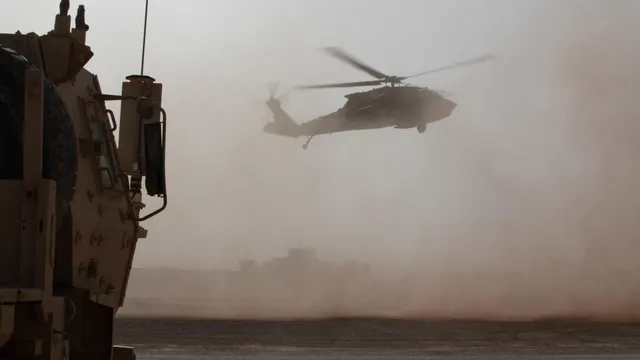
In Syria, U.S. military forces have withdrawn from the strategic Al-Tanf base, transferring control to the Syrian government forces on February 11, 2026. This transition marks a significant shift in the U.S. relationship with Syria following the downfall of longtime President Bashar al-Assad over a year prior. The Syrian Free Army, which previously operated alongside U.S. forces, confirmed the transfer, indicating that units from the 54th Division of the Syrian Defense Ministry now oversee the base. Additionally, the Syrian Interior Ministry has integrated the Free Army's units into its structure, ensuring a continued presence in the region. The U.S. had maintained a presence at Al-Tanf since 2015, primarily to combat the Islamic State militant group (ISIS) and to impose a deconfliction zone that limited the movement of various forces, including pro-Assad troops and Iranian-aligned militias. The strategic location of Al-Tanf has been a focal point for military operations in the area and has previously sparked tensions between the U.S. and Iran, notably due to attacks on U.S. forces by Iranian-backed groups. However, with the fall of Assad's regime, the dynamics shifted significantly, leading to increased cooperation between the White House and the new Syrian leadership. President Ahmad al-Sharaa, who came to power in December 2024, has sought a closer relationship with the U.S., resulting in meetings with President Donald Trump and a gradual easing of previously imposed sanctions. This cooperation comes despite ongoing controversies surrounding human rights violations attributed to Sharaa's administration, echoing concerns from rights groups about the treatment of minority communities within Syria. The shifting relations indicate a wider geopolitical change in the region, with implications for U.S. strategy and regional security. Israeli officials have expressed skepticism about Sharaa’s past as an Islamist militant and have urged vigilance to prevent Syria from becoming a base for terrorist operations. The recent shift in control at Al-Tanf signifies a new phase in the Syrian civil conflict, where the U.S. presence appears to be diminishing amid changing alliances and regional stability strategies. The broader implications for U.S. policy in the Middle East and regional alliances continue to evolve, with mounting pressure on the new Syrian leadership to maintain security and address human rights concerns in the internal and external arenas.
Context
Syria continues to face a multitude of challenges in 2026, as the conflict that erupted in 2011 has left lasting scars on the nation, deeply affecting its political landscape, economic conditions, humanitarian situation, and overall stability. After years of intense fighting, sporadic ceasefires, and shifting territorial control, the current situation reflects a fragile state of affairs. Despite the official declaration of the Syrian government regaining control over most of the territory, several regions remain under the influence of various rebel factions, Kurdish forces, and foreign powers. The presence of international actors, including Russia, Turkey, and Iran, further complicates the dynamics of the situation, with competing interests often leading to renewed tensions and localized skirmishes. Political efforts to achieve a lasting peace remain stymied by deep-seated divisions among various stakeholders, including the Syrian government, opposition groups, and international actors, creating a complex and often unpredictable environment. The humanitarian crisis in Syria persists into 2026, with millions of people in dire need of assistance. The United Nations reports that nearly 14 million individuals are affected by the ongoing ramifications of the civil war, including displacement, food insecurity, and lack of access to basic services. The economic situation remains bleak, characterized by overwhelming inflation and unemployment, making it increasingly difficult for ordinary citizens to meet their daily needs. Internally displaced persons (IDPs) face harsh conditions in camps, lacking adequate shelter, sanitation, and healthcare. Humanitarian organizations continue to struggle to deliver aid due to insecurity, bureaucratic obstacles, and limited access to certain areas. The exacerbation of these issues is critically linked to the lack of a comprehensive political solution, which is necessary to pave the way for lasting recovery and rebuilding efforts. The Syrian economy is showing signs of gradual deterioration, with the ongoing conflict exacerbating pre-existing challenges such as corruption, mismanagement, and sanctions imposed by various nations. Infrastructure has been heavily damaged, and many industries remain non-functional, contributing to rising poverty levels. The agricultural sector, a vital source of livelihood for many, has been severely impacted by the destruction of farmland and the displacement of farming communities. Despite the dire economic indicators, there are some efforts aimed at localized recovery, with certain areas beginning to see small-scale revitalization projects. However, these initiatives are often hampered by instability and a lack of comprehensive governmental support, leading to uncertainty about the future economic trajectory of the nation. As of February 2026, the potential for a negotiated peace remains tenuous, with international stakeholders divided in their approaches and often unable to coordinate effectively. The ongoing political deadlock, coupled with intermittent violence, highlights the urgent need for a renewed commitment to a multi-faceted solution that addresses not only the immediate security concerns but also the broader socio-economic and humanitarian challenges facing the Syrian people. Building a sustainable pathway towards peace and recovery will require greater collaboration among both domestic factions and the international community, ensuring all voices are heard in the quest for a unified and resilient Syria.


