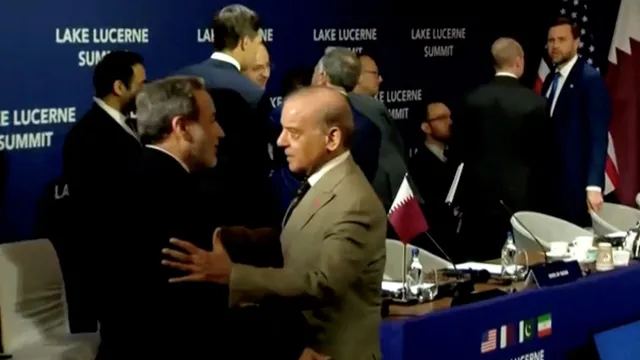
The history of Iran-U.S. relations is marked by a series of complex interactions that have evolved significantly over the decades. Initially, the relationship was characterized by mutual interests, particularly during the early 20th century when the United States supported the modernization efforts of Iran under the rule of Reza Shah Pahlavi. This partnership was primarily driven by geopolitical considerations, including the strategic importance of Iran in the context of World War II and the Cold War. The U.S. provided military and economic assistance to Iran, which helped to solidify the Shah's regime and foster a sense of stability in the region. However, this relationship began to sour in the 1970s as domestic discontent in Iran grew, leading to widespread protests against the Shah's authoritarian rule and Western influence in the country.
The turning point in Iran-U.S. relations came with the Iranian Revolution in 1979, which resulted in the overthrow of the Shah and the establishment of the Islamic Republic under Ayatollah Khomeini. The revolution was fueled by a combination of nationalist, religious, and anti-imperialist sentiments, leading to a complete rupture in diplomatic ties between the two nations. The U.S. Embassy in Tehran was seized, and American diplomats were held hostage for 444 days, an event that deeply entrenched animosity and mistrust. In the years that followed, the U.S. imposed economic sanctions on Iran, which were aimed at curbing its influence in the region and its pursuit of nuclear capabilities. This period also saw Iran being labeled as part of the "Axis of Evil" by the U.S. government, further isolating the country on the international stage.
In the early 21st century, attempts at diplomacy emerged, particularly during the Obama administration, which sought to engage Iran through negotiations over its nuclear program. This culminated in the Joint Comprehensive Plan of Action (JCPOA) in 2015, a landmark agreement that aimed to limit Iran's nuclear activities in exchange for the lifting of economic sanctions. The deal was seen as a significant step towards normalizing relations, but it faced considerable opposition from various factions within the U.S. and Iran. The subsequent withdrawal of the U.S. from the JCPOA in 2018 under President Trump marked a significant regression in relations, leading to the re-imposition of sanctions and heightened tensions, including military confrontations in the Persian Gulf.
As of 2026, the relationship between Iran and the U.S. remains fraught with challenges. Ongoing disputes over Iran's nuclear ambitions, its regional activities, and human rights issues continue to hinder any meaningful dialogue. The Biden administration has expressed a willingness to return to negotiations regarding the nuclear deal, but progress has been slow and complicated by domestic and international political dynamics. The historical context of Iran-U.S. relations illustrates a cycle of cooperation and conflict, shaped by broader geopolitical considerations and internal developments within both nations. Understanding this history is crucial for any future efforts aimed at reconciliation and stability in the region.