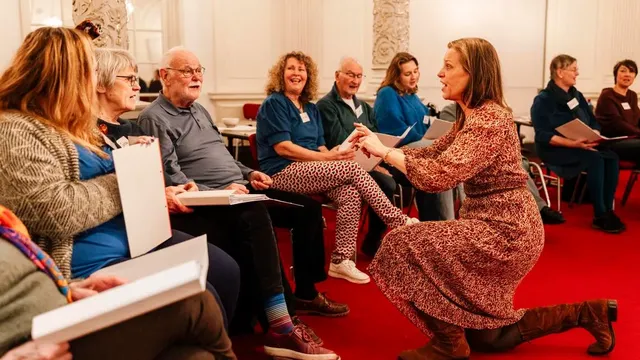
In Amsterdam, Netherlands, a significant event occurred in January where a large group gathered for a music therapy session, highlighting the ongoing research into the impact of music on cognitive health. This session took place at the prestigious Concertgebouw, attracting around 50 participants, many of whom were caregivers accompanying loved ones diagnosed with various forms of dementia including early-onset dementia and Alzheimer’s disease. Among them were Marcel van der Kruk and his wife Tonny, aged 62, as well as Barbara Cruz with her mother Idelma, aged 88. Other participants included home healthcare worker Dennis Leydecker, who brought along two elderly women, Helga de Ruiter, aged 78, and Esther Magliano, aged 85, both of whom face cognitive challenges.
The Netherlands has established itself as a leading nation in researching the therapeutic effects of music on brain health, and this event reflects the growing interest and validation in using music as a means to connect individuals with memory impairments. Research indicates that music can evoke memories, feelings, and enhance emotional well-being among individuals suffering from cognitive decline. As caregivers and families seek effective methods to support their loved ones, the positive outcomes associated with music therapy sessions continue to gain momentum.
During the session, participants engaged in singing and music-related activities, which aimed to stimulate the brain and foster social interaction among members of this often isolated group. This interactive format not only helped in enhancing the participants' mood but also provided a sense of community for caregivers who share similar experiences and struggles. The success of such sessions reinforces the importance of personalized approaches in dementia care, tailored to invigorate cognitive capabilities and improve the quality of life.
As more attention is directed toward the intersection of art and health, these sessions in Amsterdam symbolize a broader shift in how society understands and approaches cognitive health therapies. Further studies and continued investment in music therapy research are essential to uncover the full potential of music as a therapeutic intervention, paving the way for more innovative solutions to improve the lives of those affected by dementia and cognitive decline.