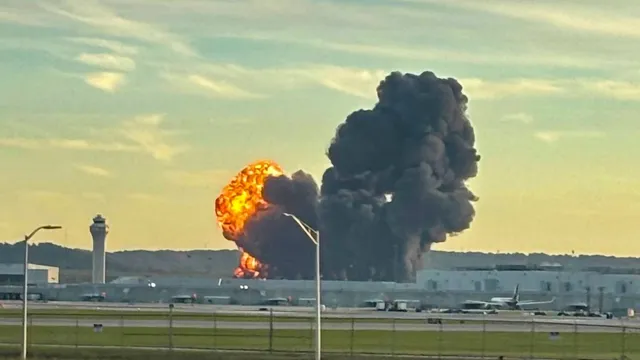
Families sue UPS after deadly cargo plane crash in Kentucky
- The UPS cargo jet crash occurred on November 4, 2023, killing 14 people and injuring 23 others.
- Families of two victims have initiated wrongful death lawsuits against multiple companies including UPS and Boeing.
- The lawsuits allege negligence related to the maintenance of aging aircraft, raising serious safety concerns.
Story
On November 4, 2023, a UPS cargo jet, specifically an MD-11 aircraft, tragically crashed at the World Port hub in Louisville, Kentucky, taking the lives of 14 individuals and injuring 23 others. Among those who lost their lives were three UPS pilots on the plane and 11 people on the ground, with the incident occurring shortly after takeoff, as the plane was headed for Honolulu, Hawaii. It crashed into an industrial area, resulting in a devastating explosion due to the left engine detaching. In the aftermath, the families of Angela Anderson and Trinadette Chavez, two victims, filed wrongful death lawsuits, implicating UPS, UPS Air, Boeing, GE, and VT San Antonio Aerospace in their claims. The lead attorney for the victims’ families argues that corporate negligence led to the accident, highlighting the issue of aging aircraft being kept in service without adequate inspections. Both UPS and GE have publicly stated that they do not comment on ongoing litigation, but they maintain that safety is their priority. Following the tragedy, all MD-11 aircraft have been grounded for inspections, and investigations are underway by both the FAA and the National Transportation Safety Board, which anticipates a final report on the crash to be released in 2026. Additionally, the U.S. government has filed a separate lawsuit against UPS, citing negligence and reckless conduct related to the crash.

Context
The Federal Aviation Administration (FAA) has established safety regulations specifically addressing aging aircraft, recognizing the unique challenges that come with older aircraft designs and the materials that degrade over time. Aging aircraft may face issues such as fatigue cracks, corrosion, and the deterioration of critical systems, emphasizing the need for rigorous maintenance and inspection protocols. The FAA has delineated regulations that require operators to perform thorough inspections that are distinctive to the aircraft's age, including mandatory checks at specific intervals for components that are prone to wear and tear. Operators of aging fleets are urged to adhere to these robust guidelines to ensure the continued airworthiness of their aircraft. A significant aspect of the FAA’s regulations on aging aircraft is the implementation of Airworthiness Directives (ADs). These directives are legally enforceable regulations that require the correction of an unsafe condition in a product. The FAA actively works to identify potential problems in aging fleets through ongoing research and data collection, which often leads to the issuance of ADs for older aircraft models. This process involves collaboration with aircraft manufacturers, operators, and maintenance personnel to develop effective solutions that enhance aircraft safety. Operators are responsible for complying with these ADs, which can include modifications, inspections, and sometimes part replacements. Moreover, the FAA has introduced a program called the Aging Aircraft Safety Program, aimed at improving safety standards specifically for older aircraft. This initiative focuses on gathering information regarding operational histories, safety data, and mechanical reliability of aging fleets. By analyzing this information, the FAA seeks to identify trends that could pose a risk to flight safety. Through educational resources and workshops, the FAA also aims to improve the knowledge base of pilots and maintenance crews regarding the specific needs and challenges associated with aging aircraft. This proactive approach ensures that those involved in the operation of these fleets are well-informed and prepared to maintain safety standards. In conclusion, the FAA’s regulations on aging aircraft are paramount in maintaining the safety of commercial aviation. As aircraft age, the risks associated with their operation can increase substantially, making it crucial for operators to diligently follow established maintenance and inspection protocols. The collaboration between the FAA, aircraft manufacturers, operators, and maintenance teams plays a vital role in addressing the issues that aging aircraft present. By adhering to these regulations and remaining vigilant about the specific needs of older aircraft, the aviation industry can continue to operate not only safely but also efficiently.