
society
controversial
tragic

Dunblane father calls for urgent gun law reforms three decades later

Mar 12, 2026, 12:50 PM60
(Update: Mar 13, 2026, 1:01 AM)
Deputy First Minister of Scotland (born 1964)

Dunblane father calls for urgent gun law reforms three decades later

  • The Dunblane Primary School massacre occurred on March 13, 1996, leaving 16 children and their teacher dead.
  • Campaigns for stricter gun laws began immediately after the tragedy, leading to a ban on private handguns in the UK.
  • Mick North, who lost his daughter in the shooting, advocates for comprehensive firearms legislation reform, arguing for government action to enhance safety.
Share opinion
Tip: Add insight, not just a reaction
6

Story

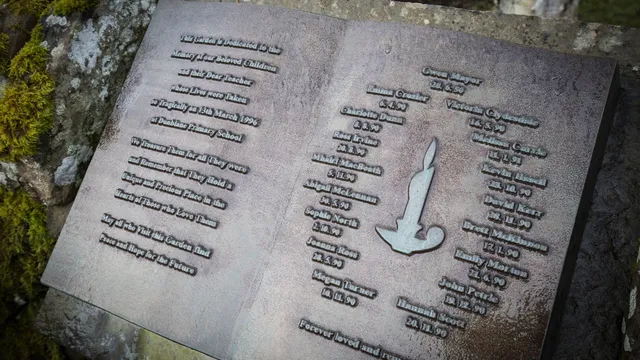
In Scotland, the 30th anniversary of the Dunblane massacre is observed on March 13, 2026. On this tragic day in 1996, a gunman entered Dunblane Primary School with legally owned firearms, killing 16 children and their teacher, Gwen Mayor. The aftermath of the shooting prompted a significant shift in gun legislation, culminating in a ban on private handgun ownership. Calls for stricter gun laws have persisted over the years, particularly from families affected by the tragedy. Mick North, who lost his daughter Sophie in the attack, recently emphasized that gun laws remain too lax, arguing for a comprehensive review of firearms legislation to account for evolving threats like 3D-printed guns, illustrating the need for immediate proactive measures by UK government ministers to ensure safety and prevent future tragedies. The rich legacy of Dunblane is intertwined with the pain and grief of loss, but also in advocacy for change. Sir Andy Murray and his brother Jamie, who experienced the trauma first-hand as children at the school, have since risen to prominence in the tennis world, transforming Dunblane's identity from a site of horror to one of sporting achievement. They both acknowledge that the Dunblane tragedy profoundly impacted their lives and provided motivation for their success. Andy has even become an official patron of the Dunblane Centre, a community hub established in the aftermath of the tragedy, which plays a vital role in supporting local families and providing safe spaces for children. In the wake of Dunblane, campaigners fought tirelessly to promote stricter gun control, facing threats and violence from opposing factions during their advocacy. Key figures in the Gun Control Network have documented their experiences, detailing the pressure they faced from the gun lobby, who saw them as legitimate targets given their prominent role in advocating for change. This advocacy ultimately led to the Cullen Report's recommendations for tighter gun ownership restrictions, which were heeded by the UK government, resulting in a comprehensive ban on most handguns in 1997, expanded further the following year. Despite significant strides made in gun control, the shadows of that painful history continue to linger. The loss of innocent lives serves as a haunting reminder of the need for ongoing vigilance and the continuous reform of gun laws—an ongoing conversation in a society that struggles to reconcile the importance of civil liberties with the paramount need for public safety. As communities come together to remember those lost, they also reflect on the hard-won lessons that demand persistent advocacy for change in legislation, ensuring that such a tragedy never occurs again.

Context

The history of gun laws in the UK has been significantly shaped by key events, particularly the tragic Dunblane Massacre in 1996. This incident involved the shooting of 16 children and one teacher at Dunblane Primary School by a gunman armed with handguns. The severity of the incident prompted widespread public outrage and generated a renewed focus on gun control in the UK. Prior to this event, the UK had relatively permissive gun laws; however, Dunblane marked a pivotal turning point leading to substantial legislative changes. In response, the government enacted the Firearms (Amendment) Act 1997, which effectively banned handguns in England, Wales, and Northern Ireland, except for those used in the most specialized circumstances, such as for the armed forces or certain elite sports shooters. This represented one of the most stringent gun control measures in the world and aimed to enhance public safety by restricting access to potentially dangerous firearms. Following the Dunblane massacre, the UK saw a significant shift in public perception surrounding firearm ownership and usage. The legislation introduced after the tragedy not only restricted handguns but also brought about stricter controls on other types of firearms. This was reflected in additional regulations concerning the storage, acquisition, and transport of firearms and ammunition. For instance, the Firearms (Amendment) Act 1988 had already tightened regulations on semi-automatic shotguns, but the 1997 amendments went further, illustrating a responsive legislative approach to public demand for increased safety. Importantly, this period also initiated ongoing debates about the balance between individual rights to bear arms and community safety, a dialogue that still permeates UK politics today. Despite the stringent regulations post-Dunblane, firearms-related crime in the UK has not entirely disappeared. Figures suggest that while gun crime has decreased considerably, it has not eradicated the problem, leading to continued discussions about the effectiveness of existing laws. The nature of gun possession has shifted; the focus has moved towards illegal firearm distribution, as well as addressing broader issues like violence and organized crime. Moreover, the UK has maintained a relatively low incidence of mass shootings compared to other countries such as the United States, reinforcing the argument among many policymakers and advocates for strict gun controls that such laws are essential to protecting public safety. The legacy of Dunblane continues to influence gun policy discussions, reflecting the complex interplay between public sentiment, legislative action, and the ever-evolving nature of crime. As of current discussions in 2026, the UK's approach to gun laws remains one of caution and control, prioritizing the safety and security of its citizens above the rights of individuals to bear arms. Continuous evaluation of firearm regulations and their impacts remains crucial for legislators, emphasizing the importance of adapting laws to meet evolving societal needs. The ongoing debates surrounding gun legislation highlight the enduring effects of the Dunblane massacre nearly three decades later, illustrating how a single event can profoundly shape national policy and public discourse regarding firearms.

2026 All rights reserved
