

Trump weighs troop relocation from unhelpful NATO allies
Trump weighs troop relocation from unhelpful NATO allies
- The Trump administration is considering troop relocations from NATO allies perceived as unsupportive during the Iran conflict.
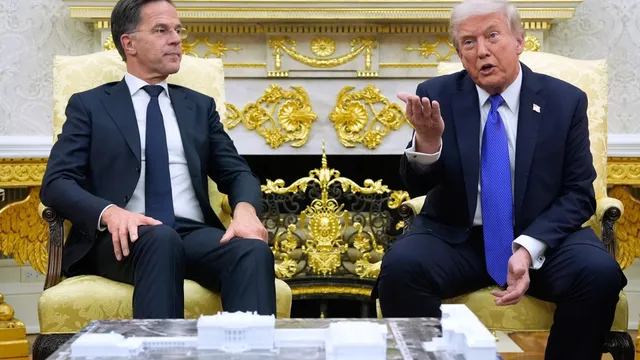
- Talks between Trump and NATO Secretary-General Mark Rutte reflect growing strains within the alliance.
- If implemented, this strategy could escalate tensions and reshape U.S. military presence in Europe.
Story
The United States is contemplating significant shifts in troop deployments across NATO member states. President Donald Trump’s administration views certain NATO allies as insufficiently supportive during the ongoing conflict in Iran, leading to potential troop relocations. This situation has created substantial tensions within the NATO alliance. Recent discussions in Washington involved NATO Secretary-General Mark Rutte and Trump regarding these troop positions, with Rutte expressing the disappointment of NATO allies. The discourse also included criticism of countries that limited U.S. military access for operations related to the Iran war, further escalating frustrations. In the past, Trump has underscored that maintaining the Strait of Hormuz is primarily a responsibility for countries dependent on Middle Eastern oil, highlighting U.S. grievances about NATO funding and troop deployments. Options under consideration may include relocating troops to countries that have shown greater support, such as Poland and Romania, while potentially closing U.S. bases in countries like Germany or Spain. This prospect alarms some NATO officials who fear that it could fracture alliance cohesion in the face of growing global challenges, including tensions with Russia. This strategy targets countries regarded as less supportive, where Trump and his administration show strong sentiments against those like Spain and Italy. The shift in military resources may serve both as a punitive measure and a means to reinforce alliances with nations deemed more cooperative. While U.S. military presence in Europe dates back to the post-World War II era, these proposed changes suggest a calculated pivot towards expectations of mutual support and burden-sharing within NATO. Rumors concerning the withdrawal from NATO have surfaced, but such a dramatic measure would necessitate congressional approval. Meanwhile, the Trump administration is accused of intensifying existing fractures within the alliance with its recent overtures, even as military deployment patterns may soon shift in accordance with strategic assessments. If approved, the realignment of U.S. troop presence could reshape NATO's very foundation while sparking heated discussions both domestically and internationally about the U.S. military's future role in Europe.


