

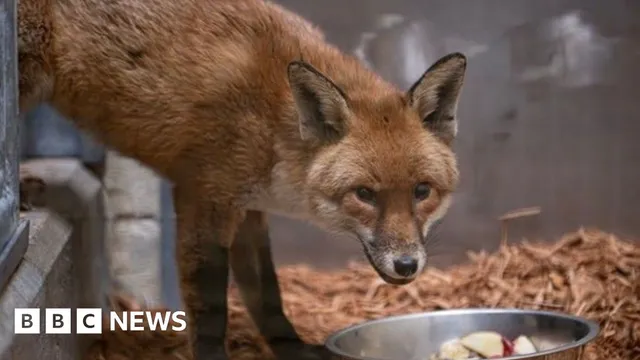
A red fox surprises everyone after sneaking onto a cargo ship to New York
A red fox surprises everyone after sneaking onto a cargo ship to New York
- A red fox stowed away on a cargo ship from Southampton, arriving in New York.
- The fox is now under the care of the Bronx Zoo, where it appears healthy.
- The incident raises questions about wildlife interactions with human environments.
Story
In February 2026, a remarkable incident occurred involving a red fox that traveled from England to the United States. The fox managed to slip onto a cargo ship filled with automobiles in Southampton on February 4. After an unusual transatlantic journey, the ship arrived at the Port of New York and New Jersey on February 18. The fox was discovered and subsequently taken to the Bronx Zoo for care. This animal, weighing about 11 pounds and estimated to be around two years old, has undergone initial health examinations, which confirmed that it appears to be healthy. Keith Lovett, the zoo's director of animal programs, stated that the fox seems to be adjusting well to its new environment. Since its arrival, the fox has been living in the zoo's veterinary center, receiving care and a special diet consisting of produce, proteins, and some biscuit-like items. Despite the successful relocation of the fox, the circumstances surrounding how the animal boarded the cargo ship and the details of its eventual discovery remain unclear. Zoo representatives have reached out to government agencies involved with the port to gather more information about the unique situation. The fox's journey presents an intriguing case involving wildlife and human transportation methods, highlighting the resilience of this particular species, Vulpes vulpes, which is commonly found in Europe, Asia, North America, and parts of Africa. Plans are being made for the fox's long-term care once it clears further health screenings. The zoo indicated that a permanent home would be established for the animal after it demonstrates continued health improvement. In the meantime, discussions around the incident have raised awareness concerning how wild animals interact with human environments, particularly concerning cargo transport and international shipping processes.
Context
The impact of wildlife on shipping and transport is a significant concern for industries and environmentalists alike. As global shipping traffic increases due to expanding trade networks, it brings with it increased interactions between wildlife and vessels. These interactions can result in detrimental effects for marine life, pose risks to human safety, and spill over into economic repercussions for shipping companies. The presence of large marine mammals, seabirds, and other wildlife can lead to collisions, which may result in injury or death for the animals as well as damage to ships, delayed shipping times, and increased operational costs. Moreover, the introduction of invasive species through shipping activities exacerbates the situation. Ballast water taken on by ships in one location can be discharged at another, often introducing species that can disrupt local ecosystems. This not only threatens native wildlife but also affects fishing industries and tourism, which are crucial for many coastal economies. As ports and shipping routes expand, the availability of safe passage for wildlife diminishes, leading to habitat loss and increased competition among species, ultimately threatening biodiversity. Addressing these concerns is essential to ensure both the sustainability of wildlife populations and the continued efficiency of shipping and transport operations. To mitigate these impacts, various strategies are being explored and implemented. The adoption of marine protected areas (MPAs) is one such solution, where shipping routes may be altered to avoid critical habitats. Additionally, technological advancements play a pivotal role; ships can be equipped with detection systems to monitor and navigate around wildlife. There is a growing emphasis on collaboration among stakeholders, including shipping companies, environmental organizations, and regulatory bodies, to promote best practices that minimize wildlife disturbances. Education and training initiatives for crew members on wildlife identification and safe practices during transit can also enhance the protection of marine animals. Ultimately, finding a balance between the needs of global commerce and the preservation of wildlife is crucial. Policymakers must strive to integrate wildlife conservation into shipping regulations, ensuring that economic progress does not come at the expense of ecological integrity. As our understanding of the complex interactions between wildlife and human activities deepens, it is imperative to continue developing innovative solutions that safeguard the future of both shipping industries and marine ecosystems.


