

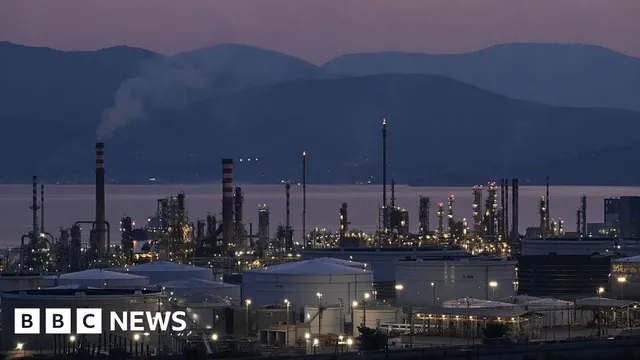
U.S. gas prices soar past $4 as war in Iran escalates
U.S. gas prices soar past $4 as war in Iran escalates
- U.S. gas prices have risen by over $1 per gallon since the war in Iran started, reaching over $4.
- The conflict in Iran has led to significant civilian casualties and warnings of a humanitarian crisis.
- Rising energy prices connect directly to ongoing military actions and geopolitical tensions in the region.
Story
The ongoing war in Iran has significantly impacted global energy prices, especially in the United States, where gas prices have now surpassed $4 per gallon for the first time since 2022. This surge is attributed to increasing instability and military actions in the Middle East, particularly relating to conflicts involving Iran and its regional adversaries. The International Maritime Organization has recorded multiple incidents of damage to vessels in the strategic Strait of Hormuz, highlighting the ongoing risks to maritime traffic in the region. Military tensions escalated after the death of Iran's Supreme Leader, Ayatollah Ali Khamenei, which has led to intensified military operations from both the United States and Israeli forces against Iranian targets. Israel's military has declared its intention to continue operations in Iran, indicating that they are prepared for extended conflict in the region. This has resulted in significant losses, both civilian and military, with reports indicating over 1,900 fatalities in Iran alone due to foreign strikes. Concurrently, the United Nations warns of a humanitarian crisis, projecting that up to 4 million people across Arab nations could be pushed into poverty as a direct consequence of the ongoing warfare. The interplay of these military actions with global oil supply has only exacerbated existing tensions within the energy sector, contributing further to rising prices for consumers in the U.S. While President Donald Trump has urged allies facing fuel shortages to secure their own oil supplies from the Strait of Hormuz, the call has raised concerns about the potential for international conflict as nations navigate their energy needs amid heightened hostilities. Reports of a recent drone strike on a Kuwaiti oil tanker in a Dubai port have only added to the sense of urgency and instability in the energy market. U.S. gas prices rising significantly correlates directly with these conflicts and highlights the broader economic ramifications of the unrest in the region. Moreover, as countries grapple with rising energy costs and the threat of military action, the global economy remains precariously positioned. In summary, the war in Iran is producing far-reaching consequences that extend beyond immediate combat, affecting global energy markets and the economic stability of many nations. With military operations intensifying and civilian casualties rising, the potential for greater destabilization in both local and global contexts continues to loom large. Stakeholders in the energy market and government officials worldwide are watching the situation closely, as any shifts in conflict dynamics could have profound implications for energy prices and geopolitical relations.
Context
The impact of the Iran war on global energy prices has been profound, especially considering Iran's pivotal role in the global oil market. As one of the major producers of crude oil, any conflict involving Iran raises concerns about the stability of oil supply chains and the potential for production disruptions. Given that crude oil prices are sensitive to geopolitical tensions, the outbreak of war in Iran typically leads to immediate fluctuations in the global energy market. Investors often respond to such uncertainties by speculating on the future supply and price of crude oil, which can cause prices to soar as fear of scarcity takes hold in the market. Moreover, sanctions imposed by Western countries on Iranian oil exports exacerbate these issues, further tightening supply and driving up prices globally. The volatility in prices can also be attributed to the strategic decisions made by key OPEC members regarding their production levels in response to market shocks arising from the conflict.


