

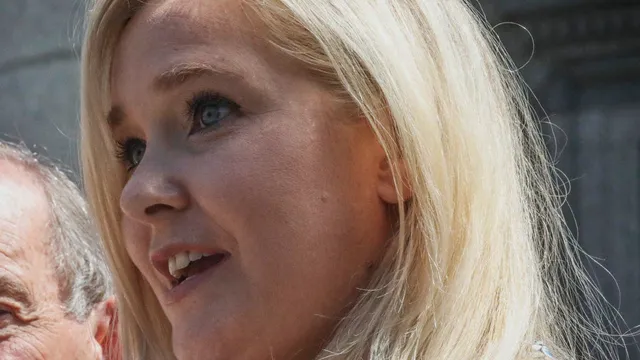
Virginia Giuffre confirms Trump’s innocence in Epstein scandal
Virginia Giuffre confirms Trump’s innocence in Epstein scandal
- Newly released documents by the House Oversight Committee have spotlighted President Donald Trump's relationship with Jeffrey Epstein.
- Virginia Giuffre, a key accuser, consistently claims that Trump was not involved in Epstein's criminal activities.
- The ongoing scrutiny reflects a broader demand for transparency and understanding of Epstein's network.
Story
In recent months, documents released by the House Oversight Committee concerning Jeffrey Epstein have intensified scrutiny surrounding President Donald Trump's connections to the convicted sex offender. Virginia Giuffre, a prominent accuser in the Epstein case, has consistently refuted allegations of Trump's involvement in Epstein's illicit activities, asserting in both sworn testimony and her memoir that she did not witness any misconduct. This renewed interest stems from emails and court documents that surfaced, detailing interactions between Trump and Epstein as well as Giuffre's accounts, which maintain that Trump was not involved in any of Epstein’s criminal actions. The email correspondence, dating back to 2011, included a message from Epstein describing Trump as a 'dog that hasn't barked,' suggesting Trump spent time with Giuffre at Epstein's residence. Despite this implication, several key witnesses, including Giuffre and Ghislaine Maxwell, have not substantiated allegations of misconduct against Trump. Maxwell's recent denial regarding Trump's presence at Epstein's home has come under scrutiny as the newly disclosed documents suggest otherwise, leading critics to question the reliability of her statements. Additionally, responses from the White House have emphasized Giuffre's consistent claims that Trump was friendly and not involved in wrongdoing. The various parties in the political landscape have invoked this scandal amid ongoing debates, complicating the narrative surrounding Trump and further fueling demands for transparency in Epstein's case. Giuffre's position has been clear throughout: she acknowledges meeting Trump but has maintained that he acted appropriately and was never implicated in Epstein’s sex trafficking of minors. The release of this information has provoked significant political attention and fueled discussions about not just Trump, but the wider implications of Epstein’s connections with other high-profile individuals, including former President Bill Clinton. This scrutiny serves as a reminder of the bipartisan reach of Epstein’s scandal, as both parties leverage the narrative to critique each other. Overall, the consistent assertions by witnesses reaffirm Trump's lack of involvement in Epstein's criminal activities, even as the political and public discourse continues to be influenced by ongoing investigations and document disclosures.
Context
The Epstein scandal, marked by the arrest of financier Jeffrey Epstein on charges of sex trafficking, has significantly influenced political discourse in recent years. The revelations surrounding Epstein’s connections with prominent political figures have brought to light critical discussions about power dynamics, privilege, and accountability in political systems. This scandal reignited societal debates on sexual misconduct, not just within political circles but extending to various sectors, prompting calls for a closer examination of the ways in which systemic inequalities can perpetuate abuse and exploitation. Furthermore, the public outcry over how the Epstein case was handled, particularly regarding the alleged complicity of influential individuals, has exacerbated prevailing concerns about corruption and the efficacy of the judicial system in addressing high-profile cases of sexual violence and trafficking. As discussions evolve, the Epstein scandal has heightened awareness and fostered activism around issues of sexual violence and institutional responsibility. This incident served as a catalyst for the #MeToo movement, further encouraging those who have suffered from similar abuses to come forward and share their stories. Political discourse now frequently includes an insistence on reforming laws to protect victims and hold perpetrators accountable, favoring survivor-led initiatives and emphasizing the importance of trauma-informed approaches. With public sentiment growing increasingly intolerant of impunity for powerful figures, lawmakers and political leaders find themselves pressed to act and protect marginalized voices within society. The implications of the scandal extend not only to contemporary political narratives but also to the broader cultural landscape. Conversations around consent, masculinity, and power structures have taken center stage, influencing everything from media representations to educational frameworks in discussing consent and sexual health. There is a pronounced demand for transparency and ethical conduct from elected officials, which has reshaped political campaigns as candidates often find it necessary to address their positions on sexual misconduct proactively to maintain public trust. This scrutiny marks a shift where past indiscretions are no longer easily overlooked and highlights the increasing importance of accountability in political contexts. In conclusion, the impact of the Epstein scandal on political discourse has been profound, prompting a reevaluation of established norms and expectations regarding power and accountability in society. The compatibility of political integrity with social justice movements continues to be tested, as stakeholders navigate the challenges of advocating for systemic change amid the complexities of a scandal that has resonated deeply across various sectors. As the discourse around these issues persists, the call for intersectional advocacy and systemic reforms remains critical in ensuring that the momentum gained through the fallout of this scandal translates into lasting change in our political and social landscapes.


