

Trump administration sanctions networks aiding Iran's military procurement
Trump administration sanctions networks aiding Iran's military procurement
- The U.S. imposed sanctions on 13 individuals and entities involved in military procurement for Iran.
- These measures are part of a broader strategy to limit Iran's military capabilities.
- The sanctions reflect ongoing tensions and military confrontations between the U.S. and Iran.
Story
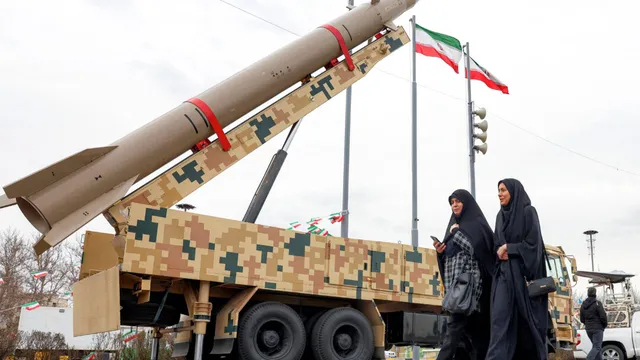
On June 10, 2026, the United States government, under the Trump administration, took significant action against procurement networks that are believed to be assisting Iran in acquiring military equipment. This coordinated effort involved the Treasury and State departments, targeting 13 individuals and entities based in Iran, China, Hong Kong, and Belarus. The sanctions are part of a broader strategy known as the 'maximum pressure' campaign aimed at curbing Iran's military capabilities and its influence in the region. The networks are specifically accused of facilitating the acquisition of conventional weapons, including man-portable air-defense systems (MANPADS) from China. The sanctions come in the wake of escalating tensions between the U.S. and Iran, particularly following a series of military confrontations. Just two days prior, on June 8, Iran's military shot down a U.S. Apache helicopter, prompting President Donald Trump to announce retaliatory measures. U.S. Central Command confirmed that explosions were heard in southern Iran, indicating a military response to the incident. This cycle of aggression has heightened fears of a broader conflict in the region, especially around strategic areas like the Strait of Hormuz. The U.S. sanctions are intended to disrupt Iran's ability to procure weapons and military-related equipment, which is seen as a direct threat to U.S. interests and allies in the Middle East. The Trump administration has consistently maintained that Iran's military activities, including its support for proxy groups and its missile program, pose significant risks to regional stability. By targeting procurement networks, the U.S. aims to limit Iran's access to advanced weaponry and to deter its military ambitions. As the situation develops, the international community is closely monitoring the implications of these sanctions. The effectiveness of the 'maximum pressure' campaign remains a topic of debate, with some analysts questioning whether such measures will lead to a change in Iran's behavior or simply escalate tensions further. The ongoing conflict and the U.S. response highlight the complexities of U.S.-Iran relations and the challenges of achieving lasting peace in the region.
Context
analysis global impact analysis geopolitical geopolitical strategic market strategic global market strategic market global data shift insight trends impact analysis impact insight insight policy global economic geopolitical shift analysis economic trends strategic data strategic market analysis data data trends geopolitical policy policy insight shift market economic data data shift geopolitical global shift economic analysis trends analysis policy market policy geopolitical impact global policy market trends geopolitical analysis impact data global data policy market data policy insight strategic data policy market...


