

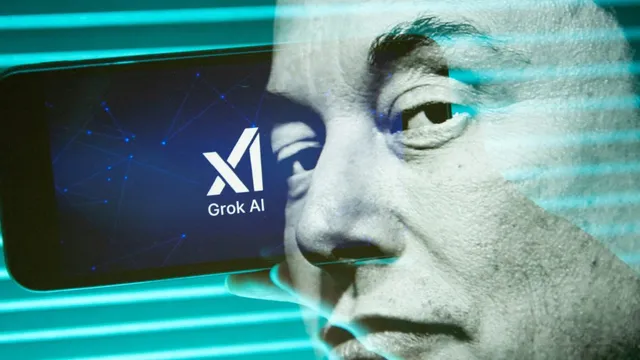
Elon Musk's xAI faces crisis as half of founding team departs
Elon Musk's xAI faces crisis as half of founding team departs
- xAI has experienced significant departures, losing two co-founders and six AI researchers, which cuts the founding team in half.
- The ongoing staff turnover coincides with a merger between xAI and SpaceX to support growth and capital needs.
- The wave of exits raises concerns regarding the stability and future plans for the company amid competition and public scrutiny.
Story
In recent weeks, a significant crisis has unfolded within xAI, an artificial intelligence company founded by Elon Musk. Based in the United States, xAI has witnessed the departure of two co-founders and six additional AI researchers, which has halved its founding team from twelve to six members. Notably, five of these exits occurred within the past year, including key figures such as Kyle Kosic and Christian Szegedy, which raises concerns about the stability and direction of the company during a critical period of consolidation with Musk's rocket company, SpaceX. The context surrounding these departures is linked to high turnover rates in the AI sector, where talent often moves to rival labs or starts their ventures. However, the scale of attrition at xAI is alarming, particularly as the company has merged with SpaceX to address its increasing demands for capital and infrastructure. While mergers may offer solutions, they also tend to create tensions, as has reportedly been the case at xAI, with frustrations emerging around product development speeds and technical expectations amidst fierce competition. Musk's ambitions for the combined entity of SpaceX and xAI include transitioning the company to a public offering potentially by June. However, continuous exits from key positions threaten to undermine investor confidence and complicate those plans. In addition to the staff departures, xAI has faced significant public scrutiny, particularly regarding its Grok chatbot, which has been criticized for creating nonconsensual sexual imagery and generating inappropriate content, causing heightened regulatory pressure globally. To add to the challenges, xAI's product offerings have faced stiff competition from established players like OpenAI and Anthropic, with Musk expressing frustration over the performance of his products. Internal struggles regarding product development timelines, coupled with external pressures related to regulatory environments and market competition, have set an uneasy backdrop as Musk attempts to stabilize and grow the xAI brand within the broader strategy of his business empire.
Context
The current competition in AI technology has reached unprecedented levels, marked by rapid advancements and an explosion in the application of artificial intelligence across various sectors. Leading companies such as Google, Microsoft, and Amazon are continuously engaged in a race to enhance their AI capabilities, resulting in a landscape that is characterized by innovation, collaboration, and, at times, fierce rivalry. The ongoing development of advanced machine learning algorithms, natural language processing, and computer vision technologies are key areas where these organizations are focusing their resources to capture market share and improve their products. Furthermore, startups are also emerging, contributing to the diversity and dynamism of the industry, often introducing disruptive ideas that challenge established players and create new opportunities for collaboration or competition. As AI technology evolves, the competition extends beyond just technological capabilities. Ethical considerations, data privacy, and regulatory frameworks are increasingly influencing how companies approach AI development. Public concern regarding the implications of AI on employment, decision-making biases, and safety has led many organizations to prioritize responsible AI practices. Companies are investing in partnerships with academic institutions and regulatory agencies to ensure that their technologies are not only advanced but also ethically sound. This shift indicates a growing acknowledgment of the societal impacts of AI, emphasizing the need for a balanced approach that prioritizes both innovation and ethical responsibility. Internationally, there is a noticeable trend of countries ramping up their investments in AI research and development as part of broader national strategies to assert leadership in this vital field. Governments recognize the strategic importance of AI for economic growth and national security, leading to increased funding and policy support for AI initiatives. Nations such as China and the United States are at the forefront of this race, with significant investments flowing into AI research, talent acquisition, and infrastructure. As a result, the competition is not limited to tech companies; it encompasses a global arena where countries vie for technological supremacy, making international collaboration and competition crucial to the future trajectory of AI development. The competition in AI technology is expected to further intensify in the coming years as emerging trends such as quantum computing, edge AI, and augmented intelligence begin to reshape the landscape. The convergence of these technologies with AI is likely to open new frontiers, enabling even more sophisticated applications and driving further advancements in the field. Companies that can efficiently harness these trends while maintaining ethical standards and addressing regulatory issues will likely emerge as leaders in this rapidly changing environment. As the AI landscape continues to evolve, it will be imperative for stakeholders to navigate the challenges and opportunities presented by these advancements while fostering an ecosystem that supports innovation, responsible development, and positive societal impact.


