

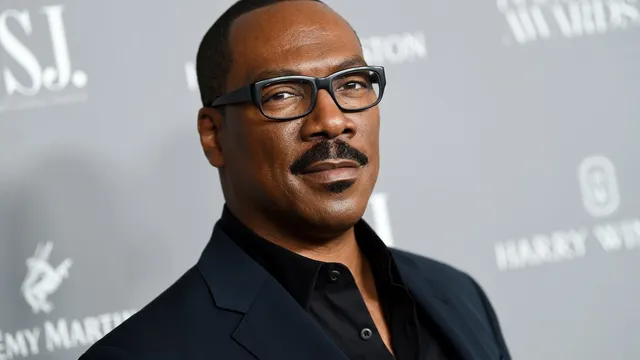
Eddie Murphy reveals why he walked out of the Oscars after losing
Eddie Murphy reveals why he walked out of the Oscars after losing
- Eddie Murphy left the 2007 Oscars shortly after losing to Alan Arkin.
- He did not want to be seen as the 'sympathy guy' during the event.
- Murphy's nomination highlighted both his talent and the challenges of recognition within Hollywood.
Story
In 2007, during the 79th Academy Awards held in the United States, Eddie Murphy walked out of the ceremony shortly after losing the Oscar for Best Supporting Actor for his role in 'Dreamgirls.' He had been considered a frontrunner for the award due to his impressive portrayal of James 'Thunder' Early, a character that earned him accolades leading up to the Oscars. After losing to Alan Arkin for his performance in 'Little Miss Sunshine,' Murphy felt overwhelmed by sympathy from fellow attendees. He described how people came to comfort him, which made him uncomfortable as he didn't want to be seen as the 'sympathy guy' for the rest of the night. As Murphy explained in a subsequent interview, he left the ceremony to avoid the feelings of pity that were being directed towards him. He recalled an earlier screening of 'Little Miss Sunshine' where he had remarked on Arkin's standout performance, predicting that Arkin would be a serious Oscar contender, which turned out to be true when he won the award that night. Although his film, 'Dreamgirls,' received eight nominations and won two Oscars, Murphy's departure left him missing key moments, including his co-stars' performances and Jennifer Hudson's win as Best Supporting Actress. Reflecting on the significance of his nomination, Murphy pointed out that his early exit was not driven by anger but rather by a desire to maintain his dignity throughout the evening. Even years later, Murphy acknowledged that he didn't hold any hard feelings against Arkin for winning and appreciated the quality of his work. Having attended the Oscars is significant for Murphy, highlighting the importance of recognition in his career, despite feeling slighted when he did not receive an Oscar of his own for his talent in dramatic roles. Murphy's complex relationship with award shows and the historical context around Black representation in Hollywood further frames his experience at the Oscars. Despite winning other prestigious awards like a Grammy and an Emmy, the lack of an Academy Award has lingered in his mind, leading him to contemplate the intricate dynamics involved in such recognitions.


