

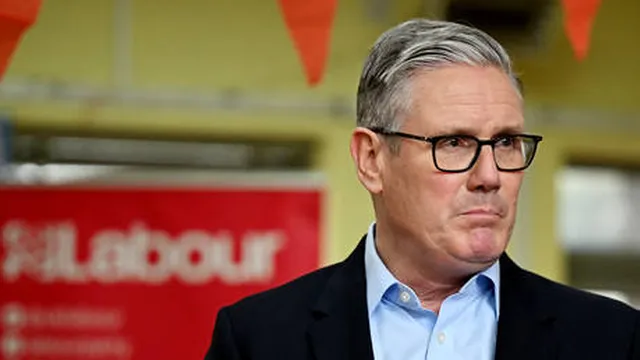
Labour Party faces backlash as British voters seek alternatives
Labour Party faces backlash as British voters seek alternatives
- Local elections held on May 7, 2026, across the United Kingdom could significantly reshape the political landscape.
- The Labour Party is projected to lose control of local councils and possibly the Welsh Parliament.
- The outcomes of these elections may lead to calls for Keir Starmer's resignation or a leadership contest within the Labour Party.
Story
On May 7, 2026, local and regional elections were held across the United Kingdom, presenting a significant test for the ruling Labour Party and its leader, Keir Starmer. These elections were anticipated to be pivotal, as they included the selection of approximately 5,000 local councilors and various mayors, marking the largest electoral event since Labour's previous victory in July 2024. Many analysts viewed this electoral round as a midterm referendum on Starmer’s leadership amidst growing dissatisfaction with the government. With increasing pressures, Labour's fate in these elections was uncertain, as various nonmainstream parties were predicted to make significant gains at its expense. Polling forecasts suggested that Labour would not only struggle to maintain its council control but also potentially lose its long-standing dominance in the Welsh Parliament, which it had held since its establishment in 1999. Numerous reports indicated that the Labour Party was bracing for substantial losses, with both the hard-right party Reform UK under Nigel Farage and the Green Party poised to capitalize on Labour’s expected decline. Farage's party aimed to leverage its appeal among working-class voters disillusioned with traditional politics, while the Greens sought to strengthen their base in urban centres and educational hubs. Starmer, attempting to frame the elections as a choice between progress under Labour and discontent under Reform or unfulfilled promises from the Greens, did not mention the Conservative Party in his final pre-election message. His tenure faced challenges not only from internal discontent—a result of decisions like the controversial appointment of Peter Mandelson—but also from external pressures such as global economic conditions and ongoing international conflicts. The fallout from these decisions created an environment ripe for Labour's opposition parties, which have gained traction in recent years as they focus on voter issues related to immigration and economic priorities. As the counting proceeded, both the internal party dynamics and the potential for leadership challenges became apparent. Many within Labour speculated about the future of Starmer's leadership should the elections yield unfavorable results. This scrutiny extended to calls for him to either secure a timeline for his resignation or prepare for a leadership contest that could yield new direction for the party amidst a complicated political landscape. The elections were not just a localized affair but a telling narrative of broader sentiments among the electorate towards established political institutions and their responsiveness to burgeoning issues like the cost of living and public service failures.
Context
The impact of local elections on the Labour Party in May 2026 is significant, serving as a barometer for the party's overall health and public support ahead of the general elections. Local elections often reflect broader national sentiments, and the performance of the Labour Party in these elections will likely influence its strategic direction, leadership decisions, and ability to mobilize support. As the party prepares for pivotal contests, the outcomes can either bolster or challenge its position in the political landscape. The context of these elections includes a landscape where the Labour Party has navigated complex social, economic, and political issues, including responses to the economy, health services, and public safety, which have shaped voter expectations and preferences. As of May 2026, the local elections serve as a critical test for Labour's popularity, particularly after a turbulent period marked by internal challenges and intense competition from rival parties. The results from various councils could potentially signal the party’s readiness to tackle the looming general elections. Successful outcomes in key regions may instill a sense of confidence within the party ranks, signaling to party members and supporters that the Labour Party is advancing its agenda and regaining ground it previously lost in certain areas. Conversely, poor results could raise questions about the party's strategy and future direction, leading to potential leadership challenges or a re-evaluation of policies that resonate with voters. The implications of these local elections stretch beyond mere numerical victories or losses; they influence the narratives surrounding the party. Gaining control over local councils provides the Labour Party with a platform to implement its policies at the grassroots level, enhancing voter engagement and community involvement. Furthermore, how well the party communicates its successes and addresses shortcomings in local governance can shape public perceptions and expectations ahead of the general election. The ability to showcase tangible improvements in public services and local initiatives can reinforce the party’s position as a viable alternative to other political factions. Ultimately, the local elections in May 2026 will be pivotal in determining the trajectory of the Labour Party. The results will influence not only the party’s positioning for the coming electoral battles but also its identity in the eyes of its constituents. A renewed commitment to grassroots issues may help Labour in revitalizing its connection with voters and addressing gaps in support. The party's success will depend on how effectively it can translate these local wins into broader electoral momentum, thus reinforcing its role in shaping future governance and policy directions.


