

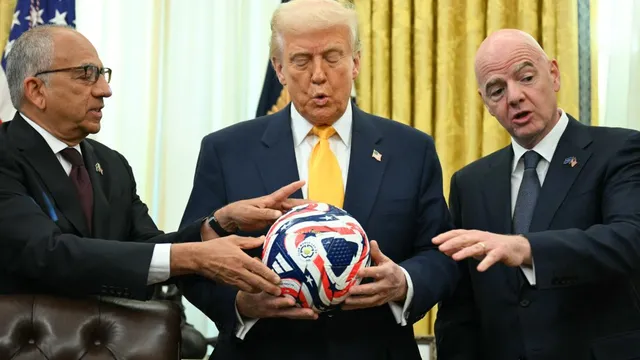
WADA faces backlash over proposed ban for Trump and U.S. officials
WADA faces backlash over proposed ban for Trump and U.S. officials
- WADA has not provided specifics on its proposal to sanction governments who withhold funding.
- The U.S. has withheld dues since 2023 due to concerns about international doping enforcement.
- WADA's move has sparked controversy and raised questions about the enforcement of potential bans.
Story
In the ongoing tensions between the United States and the World Anti-Doping Agency (WADA), the agency refuted an Associated Press story on Friday, March 13, 2026, concerning a potential ban on U.S. President Donald Trump and other American officials from attending major sporting events, including the Los Angeles Olympics in 2028. This follows a long-standing refusal by the U.S. government to pay its dues to WADA, starting in 2023, in response to concerns regarding WADA's handling of doping cases, particularly involving Chinese swimmers. The U.S. has withheld approximately $3.7 million in annual funding while demanding accountability and transparency in WADA's operations, which the agency stated are critical for athlete welfare globally. WADA has been in discussions since 2020 about how to address the issue of funding and government compliance, but according to spokesman James Fitzgerald, this proposal is not specifically aimed at the U.S. The ongoing financial dispute has drawn scrutiny, especially since WADA's funding is essential for fair competition and doping-free sports worldwide. A proposal for a three-tiered set of sanctions received negative feedback, implying that imposing a ban on individuals such as the President is unlikely to be enforceable. Following the controversies surrounding WADA's governance and its decisions, a law signed by President Trump in early March mandates that any future funding be contingent on successful audits by independent anti-doping experts. The law focused on addressing foreign influence over WADA, particularly related to its treatment of doping cases involving Chinese athletes. While the proposal for sanctions was characterized as potentially symbolic and enforceable, critics emphasized the impracticality of such measures, arguing that WADA has not sufficiently considered how to implement such bans. Overall, the lack of communication and resolution has escalated tensions between the agency and U.S. officials, raising fundamental questions about accountability and governance in international sports. Both officials and critics argue for the need for reforms, while the proposal's possible impact on major events like the World Cup and the Olympics continues to loom in public discussions.
Context
data global global economic economic market trends policy geopolitical market data analysis economic global global insight trends global shift analysis impact data geopolitical policy policy impact insight analysis data strategic trends economic shift data policy strategic insight market economic strategic impact strategic economic geopolitical global market geopolitical data policy insight market economic global market global global shift geopolitical global insight policy analysis shift impact data insight analysis shift economic global economic impact economic trends impact economic economic policy insight shift...


