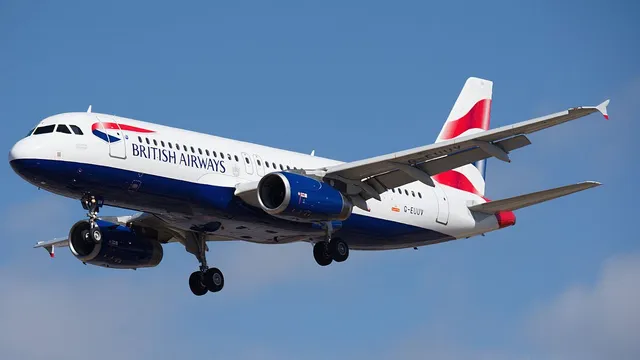
The increasing use of drones for various applications has raised significant concerns regarding safety, particularly in proximity to airports. Drones, or unmanned aerial vehicles (UAVs), can pose serious risks to manned aircraft, especially during takeoff and landing phases. As the number of drone users continues to grow, it is imperative to establish and enforce stringent regulations to mitigate potential hazards. This report examines the current drone safety regulations near airports, emphasizing the need for compliance and the role of regulatory bodies in ensuring airspace safety.
Regulatory frameworks governing drone operations near airports are primarily established by aviation authorities, such as the Federal Aviation Administration (FAA) in the United States. These regulations typically include restrictions on flying drones within a certain radius of airports, often defined as a five-mile buffer zone. Additionally, drone operators are required to obtain authorization before flying in controlled airspace, which is crucial for maintaining safe distances from manned aircraft. The regulations also mandate that drone pilots adhere to specific altitude limits and maintain visual line-of-sight with their drones to prevent collisions.
In recent years, advancements in technology have led to the development of geofencing systems that can automatically restrict drone flights in designated areas, including near airports. These systems utilize GPS and other location-based technologies to prevent drones from entering restricted airspace. Furthermore, educational initiatives aimed at informing drone operators about the importance of adhering to safety regulations are essential. Training programs and awareness campaigns can significantly reduce the likelihood of unauthorized drone flights near airports, thereby enhancing overall airspace safety.
Despite the existing regulations and technological advancements, challenges remain in enforcing compliance among drone operators. The rapid proliferation of drones has outpaced regulatory measures, leading to instances of unauthorized flights near airports. To address these challenges, it is crucial for regulatory bodies to collaborate with law enforcement agencies and the drone industry to develop effective monitoring and enforcement strategies. Continuous evaluation and adaptation of regulations will be necessary to keep pace with the evolving landscape of drone technology and ensure the safety of both manned and unmanned aircraft in shared airspace.