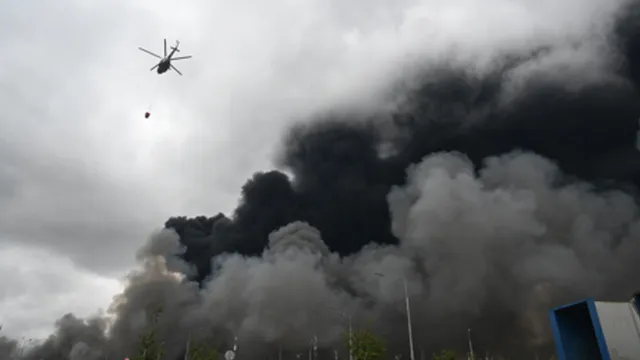
In recent weeks, the UK government announced a significant military support package for Ukraine, which includes the provision of 150,000 unmanned aerial vehicles (UAVs) by the end of the year. This decision follows one of the largest drone attacks by Ukraine on Moscow in years, which reportedly involved 194 drones, causing damage to various sites, including the Moscow Oil Refinery. The attack resulted in injuries to at least 17 civilians and disrupted air traffic in the region. The UK’s military assistance is part of a broader strategy to support Ukraine amidst ongoing tensions with Russia.
The funding for this military package, valued at approximately £752 million ($996 million), is reportedly sourced from frozen Russian assets, as well as a £2.26 billion loan from the UK to Ukraine. British Defense Secretary Dan Jarvis announced the deal during a meeting of the Ukraine Defense Contact Group in Brussels, emphasizing the necessity of this support for Ukraine's defense capabilities. The UK has been one of Ukraine's most active military supporters since the onset of the conflict, and this latest package is seen as a crucial step in bolstering Ukraine's military resources.
In response to the drone attacks, Russian officials, including Foreign Minister Sergey Lavrov, condemned the actions and indicated that Russia would alter its military strategy, potentially increasing large-scale strikes against Ukrainian military targets. Lavrov accused Ukraine of conducting terrorist attacks using Western-supplied weapons and intelligence, asserting that continued arms deliveries from Western nations prolong the conflict and hinder peace efforts. The situation remains tense, with both sides preparing for further escalations.
As the conflict continues, the implications of the UK's military support for Ukraine are significant. It not only reflects the UK's commitment to aiding Ukraine but also raises concerns about the potential for increased hostilities between Russia and Ukraine. The ongoing military assistance from Western nations, including the UK, is likely to influence the dynamics of the conflict and the prospects for a peaceful resolution in the near future.