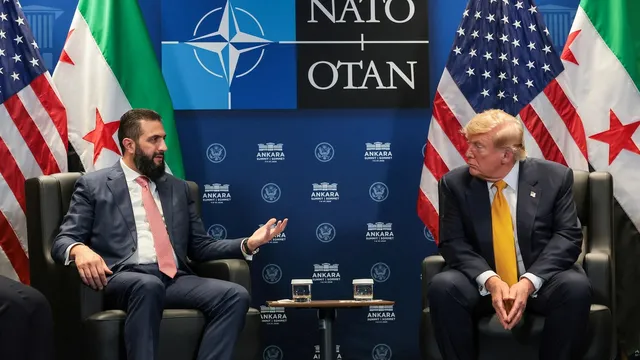
The designation of Syria as a state sponsor of terrorism has a complex history that reflects the geopolitical dynamics of the Middle East and the evolving nature of international relations. The United States first designated Syria as a state sponsor of terrorism in 1979, primarily due to its support for various militant groups, including Hezbollah and Palestinian factions. This designation was part of a broader U.S. strategy to counteract perceived threats from countries that were seen as hostile to American interests and allies in the region. Over the years, Syria's involvement in supporting terrorist organizations has been a consistent point of contention, particularly in the context of its relationships with Iran and non-state actors engaged in anti-Israel activities. The U.S. government has cited Syria's provision of safe haven, funding, and logistical support to these groups as justification for its designation.
Throughout the 1980s and 1990s, Syria's role in regional conflicts, including its involvement in Lebanon and its opposition to Israel, further solidified its status as a state sponsor of terrorism. The U.S. State Department's annual reports on terrorism consistently highlighted Syria's actions, including its backing of groups that carried out attacks against U.S. interests and allies. Despite these actions, Syria has also sought to portray itself as a victim of terrorism, particularly in the context of the civil war that erupted in 2011. The conflict has led to a complex situation where various factions, including ISIS and other extremist groups, have emerged, complicating the narrative surrounding Syria's designation.
In the post-9/11 era, the U.S. response to Syria's designation has evolved, particularly as the focus shifted towards combating global terrorism. The Syrian government has been accused of using the label of terrorism to suppress dissent and justify its actions against opposition groups. The U.S. has maintained its designation, citing ongoing support for terrorist organizations and the regime's involvement in destabilizing activities across the region. The designation has also been used as a tool for imposing sanctions, which have had significant economic implications for Syria, particularly in light of the ongoing civil war and humanitarian crisis.
As of 2026, the situation remains fluid, with Syria's designation as a state sponsor of terrorism continuing to influence its international relations and domestic policies. The complexities of the Syrian conflict, the rise of new terrorist threats, and the shifting alliances in the region contribute to an ongoing debate about the effectiveness and implications of the designation. The future of Syria's status as a state sponsor of terrorism will likely depend on both internal developments within the country and the broader geopolitical landscape, including U.S. foreign policy and the responses of other nations to Syria's actions.