
Gaza averts famine spread but faces critical starvation challenges
- Recent reports confirm that while the spread of famine in the Gaza Strip has been prevented, the overall situation remains critical with many still facing starvation.
- The IPC highlights a significant need for ongoing humanitarian assistance, stating that more than 1.3 million Palestinians require emergency support as harsh living conditions persist.
- Experts warn that without expanded aid and the ability to rebuild, the risks of malnutrition and starvation will continue to jeopardize the lives of many inhabitants in Gaza.
Story
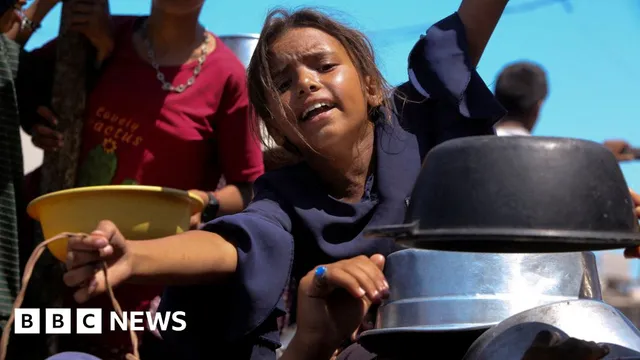
In December 2025, reports indicate that the Gaza Strip, amidst ongoing conflict and humanitarian crises, has managed to avert the spread of famine, yet faces a dire situation where starvation is still prevalent. Experts from the Integrated Food Security Phase Classification (IPC) indicate that while famine has been contained, a large portion of the population remains at risk of starvation due to various socio-political factors including displacement and access to resources. Previous reports had highlighted severe food insecurity and over 500,000 residents facing catastrophic hunger levels, prompting urgent calls for humanitarian assistance. The IPC's most recent analysis notes improvements in food availability, with families reportedly now able to access two meals a day compared to only one earlier in the year. This shift is attributed to reductions in conflict, proposed peace negotiations, and enhanced humanitarian aid deliveries, which have provided more food supplies to the region. However, the situation remains fragile as a significant number of Palestinians continue to require assistance, with many living in makeshift shelters and suffering from extreme poverty and displacement. Reports state that approximately 1.3 million people are in need of emergency shelter as winter approaches, and more than 100,000 children are projected to face acute malnutrition within the next year. Despite improvements, the Israeli government's response has been dismissive, asserting that they provide adequate aid to meet the nutritional needs of the population. Agencies coordinating aid, like COGAT, reject IPC's assertions, insisting that they are consistently meeting the agreed-upon levels of assistance. The Foreign Ministry reinforces this stance by claiming that the findings do not reflect the realities on the ground, leading to a continued debate over the actual conditions affecting Gaza's inhabitants. Experts emphasize that, while the current situation seems to have shifted from immediate famine risks, the long-term outlook requires more comprehensive humanitarian access and support to enable residents to rebuild their lives. The urgent need for food, shelter, and health care persists, and the challenges of poverty, displacement, and inadequate resources continue to undermine the livelihoods of those in Gaza. As peace negotiations remain incomplete and conflicts sporadically reignite, Palestinians in Gaza face an uncertain future, with immediate action necessary to prevent further deterioration of conditions.
Context
The Israel-Palestine food security situation remains a critical concern, deeply influenced by ongoing conflict, economic instability, and logistical challenges. Access to food is severely hampered due to checkpoints, border restrictions, and the overall humanitarian crisis that exacerbates the plight of families in both regions. In the Gaza Strip, where a significant percentage of the population is reliant on food assistance, the blockade and recurring military operations have disrupted local agriculture and supply chains. Consequently, many households often experience food scarcity, leading to malnutrition and other health consequences, particularly among vulnerable groups such as children and the elderly. The situation is similarly strained in the West Bank, where restrictions on movement affect farmers' ability to access markets and resources necessary for food production, further complicating the food security landscape. Economic conditions play a pivotal role in the food security crisis. Unemployment rates, particularly among youth, are alarmingly high, limiting household purchasing power and reducing access to diverse and nutritious food options. The high cost of living, fueled by economic policies and a lack of investment, imposes additional burdens on families, many of whom are forced to allocate a large portion of their income to food. Furthermore, reliance on imported goods, which prices are subject to inflation and currency fluctuations, underscores the vulnerability of both populations in the face of external economic pressures. The collapse of local businesses due to prolonged instability has intensified these challenges, leading to a reliance on humanitarian aid as a stabilizing force. Aid organizations and local governments are working to address these food security issues through various initiatives aimed at enhancing agricultural production, improving access to food, and supporting economic resilience. However, the long-term success of these interventions is persistently undermined by the political climate, which hinders cohesive planning and execution of strategies to combat food insecurity. There are also efforts to promote community gardens and urban agriculture as means to enhance self-reliance and improve nutritional intake among households. These localized approaches attempt to empower communities; however, broader systemic issues necessitate international attention and intervention. In conclusion, the food security situation in Israel and Palestine is a multifaceted issue influenced by conflict, economic hardship, and humanitarian needs. Current interventions must be tailored to address the underlying causes of food insecurity while ensuring that communities are equipped to cope with ongoing challenges. Efforts must be centered on fostering cooperation and dialogue between stakeholders to establish a sustainable framework for food security that promotes peace, stability, and resilience in the region. The need for urgent and sustained action is paramount to alleviate the existing humanitarian crisis and to pave the way for a more secure future for both Palestinian and Israeli populations.
