

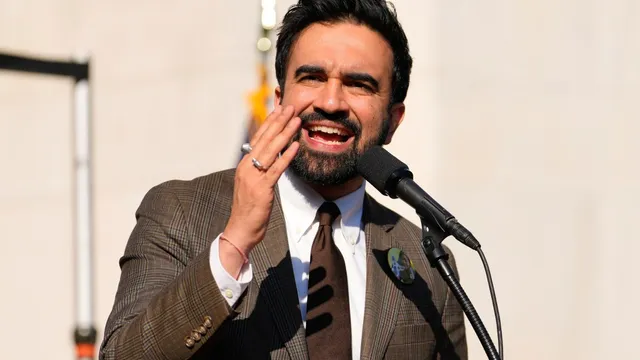
New tax could spark mass exodus of wealthy New Yorkers to Florida
New tax could spark mass exodus of wealthy New Yorkers to Florida
- New York City's Mayor proposes a pied-à-terre tax targeting luxury second homes.
- Concerns over wealth relocation to Florida arise among New York real estate insiders.
- Tax proposals may lead to a significant exodus of wealthy individuals from New York.
Story
In the United States, New York City Mayor Zohran Mamdani's proposed tax agenda has triggered discussions about ultra-wealthy residents potentially relocating to Florida. Initiated by Mamdani's campaign promise to redistribute wealth through tax increases on top earners, the proposal centers on a pied-à-terre tax aimed at homeowners with second homes valued at $5 million or more. Governor Kathy Hochul has been hesitant to endorse broader tax increases on the state's wealthy residents, fearing it may induce an economic downturn due to affluent individuals leaving New York. The proposed tax has led to growing interest from real estate agents and developers in South Florida, who see a significant influx of affluent New Yorkers seeking homes in the area. Investors such as billionaire Ken Griffin have publicly criticized Mamdani's tax agenda, viewing it as detrimental to New York's economic environment. Griffin has expressed intentions to invest more in Miami, positioning it as a future hub of business, especially as high-net-worth individuals contemplate leaving New York due to the proposed tax policies. Reactions to the planned tax have included consideration of who may be impacted the most. Given the high cost of living in New York City, many affluent residents are evaluating their living arrangements, revealing that some are already contemplating their exit plans. This change in real estate dynamics represents a shift in the traditional constraints of wealth as these individuals seek more favorable tax environments while also investing in communities that align with their business interests. However, concerns arise regarding the feasibility and implementation of the pied-à-terre tax. Experts warn that New York City would need to accurately assess property values to effectively enforce this tax; otherwise, it risks becoming an ineffective solution for raising revenues amidst already high housing costs. Economic success in other regions, especially Florida's low-tax landscape, continues to fuel a narrative of potential decline for New York City, leading to fears of a real estate crisis should the affluent continue to leave in droves as a reaction to its evolving tax policies.
Context
The Mamdani tax agenda has emerged as a significant policy proposal aiming to reshape the tax landscape in New York City. This agenda centers around the principles of equity and efficiency, advocating for a more progressive tax system that seeks to alleviate the financial burdens on low- and middle-income households while ensuring that the wealthiest individuals contribute their fair share. The proposal suggests adjustments to income and property tax structures, introducing higher rates for individuals earning above a certain threshold. This approach aligns with the broader movement towards tax reform that has gained traction in recent years, given the escalating cost of living and economic disparities faced by many residents of NYC. The potential impact of the Mamdani tax agenda on the NYC economy is multifaceted. Proponents argue that by redistributing tax responsibilities, the increased revenue generated could be reinvested into critical public services such as education, healthcare, and infrastructure—areas that have historically suffered from underfunding. Moreover, with a more equitable tax system in place, there is the possibility of stimulating local spending, as lower-income families typically allocate a larger portion of their income toward consumption. This renewed economic activity could lead to job creation and support small businesses, ultimately reinforcing the local economy. Critics, however, raise concerns about the implications of such tax increases on high-income earners and businesses. They contend that higher tax rates could disincentivize investment and innovation, potentially leading to an exodus of wealthy individuals and corporations from the city. This could, in turn, diminish the tax base that funds essential public services, creating a paradox where the attempts at reform could inadvertently harm the very constituents the agenda aims to assist. The dilemma lies in striking a balance between creating a fair tax system and maintaining the economic vitality that NYC is known for, which relies heavily on its financial sectors and high-net-worth individuals. As policymakers consider the Mamdani tax agenda, it is crucial to engage in comprehensive economic modeling and public discourse to assess the anticipated outcomes. The success of this agenda will depend on its ability to generate the necessary revenue without compromising the city's economic competitiveness. Stakeholders, including residents, business leaders, and economists, must collaborate to develop a strategy that fosters a strong, equitable economy while addressing the pressing social issues that have become increasingly pronounced. Ultimately, the Mamdani tax agenda represents an opportunity for NYC to redefine its fiscal framework, ensuring that it is sustainable, just, and capable of meeting the needs of all its residents.


