

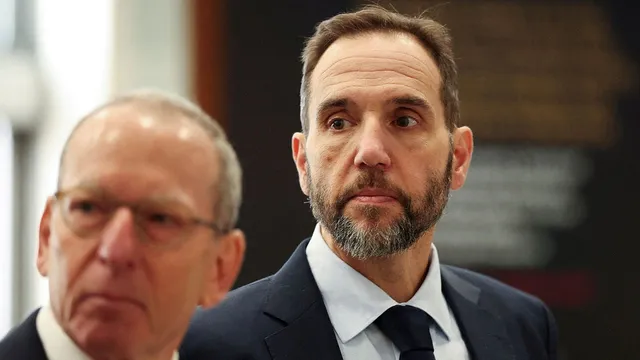
Judge blocks release of Jack Smith's report on Trump
Judge blocks release of Jack Smith's report on Trump
- Judge Aileen Cannon ruled that Jack Smith's investigation into Trump was predicated on an unlawful appointment, leading to dismissal of the case.
- Cannon permanently sealed Smith's report, asserting its release would contradict the court's dismissal order and result in injustice to Trump.
- The ruling has sparked criticism from advocacy groups concerned about the implications for transparency and the public's right to know.
Story
In the United States, a significant legal ruling was issued by U.S. District Judge Aileen Cannon regarding the investigation by former special counsel Jack Smith into President Donald Trump's handling of classified documents. This decision was made in 2024, shortly after Cannon dismissed the case against Trump. The ruling determined that Smith's appointment as special counsel was unlawful, leading to the conclusion that all actions taken in connection with the case were invalid. Cannon’s order notably stated that the report on the investigation should remain sealed permanently, reflecting a broader contention surrounding the authority of special counsels to carry out such inquiries without lawful appointment. The ruling came in light of Trump and his co-defendants requesting the court to prevent the report's release, asserting that public disclosure would result in a 'manifest injustice' to them. Judge Cannon emphasized in her order that releasing the report would contradict her final dismissal ruling. Furthermore, her ruling highlighted concerns over the integrity of the judicial process, criticizing Smith for compiling the report despite the earlier ruling that declared his actions invalid and unauthorized. Cannon’s order not only blocked the report from public release but also influenced the actions of Attorney General Pam Bondi, who previously stated that the report comprised internal deliberative communications and should remain confidential. This ruling extends beyond just the Trump case and applies to future attorneys general at the Justice Department. The legal decision caused a stir within First Amendment advocacy groups, which criticized the ruling's implications on transparency and access to information, arguing that there was no legitimate basis for the suppression of the report. Trump has consistently denied any wrongdoing regarding his handling of classified materials, claiming he had rights to retain the documents after leaving office. The allegations included his obstruction of government efforts and using aides to conceal the materials in question. As this case unfolded, it represented one of several legal challenges Trump faced after his presidency, particularly as it initially appeared as one of the most serious investigations against him at the time. Despite the legal battles, Trump's political fortunes shifted after winning the presidency again in November 2024, complicating the prosecution landscape and affecting ongoing legal proceedings against him at the federal level.
Context
data impact global insight economic strategic strategic impact impact global shift impact global policy market impact impact global impact economic market strategic shift analysis data shift analysis geopolitical policy global insight insight strategic policy analysis shift economic economic analysis geopolitical data geopolitical insight policy market shift geopolitical global trends economic geopolitical global geopolitical impact impact insight trends trends policy market impact trends analysis shift strategic strategic data global global trends market economic data policy market data trends insight market impact...


