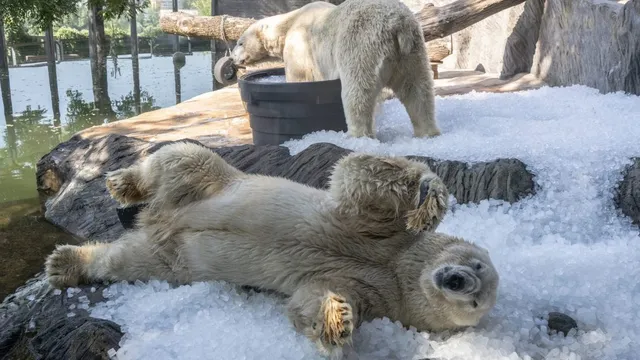
Climate change is increasingly recognized as a significant threat to biodiversity and the ecosystems that support it. Zoos, as institutions dedicated to the conservation of wildlife and education of the public, are not immune to the impacts of climate change. Rising temperatures, altered precipitation patterns, and extreme weather events can affect the habitats of both wild and captive animals, leading to challenges in their care and management. For instance, species that are sensitive to temperature changes may experience stress or health issues, while changes in food availability can disrupt feeding routines and nutritional health. Furthermore, zoos may face increased operational costs due to the need for enhanced climate control systems and infrastructure adaptations to withstand extreme weather conditions. These factors necessitate a reevaluation of how zoos manage their animal populations and the environments in which they live.
In addition to direct impacts on animal welfare, climate change poses significant challenges to the conservation programs that many zoos implement. As habitats shift or disappear due to climate change, the species that zoos aim to protect may become increasingly difficult to conserve in their natural environments. This can lead to a greater reliance on captive breeding programs, which require careful planning and resources to ensure genetic diversity and the long-term viability of populations. Zoos must also adapt their educational programs to raise awareness about the effects of climate change on wildlife and the importance of conservation efforts. By engaging the public in discussions about climate change, zoos can foster a greater understanding of the interconnectedness of ecosystems and the role humans play in mitigating these impacts.
Moreover, the role of zoos in research and conservation is becoming more critical as climate change accelerates. Zoos can serve as living laboratories, providing valuable data on how species adapt to changing conditions. Research conducted in zoos can inform conservation strategies in the wild, helping to develop methods for protecting vulnerable species and their habitats. Collaborative efforts between zoos, conservation organizations, and governmental agencies can enhance the effectiveness of these strategies, ensuring that they are based on sound scientific principles and tailored to the specific needs of each species. As climate change continues to reshape the natural world, the expertise and resources of zoos will be essential in addressing these challenges.
In conclusion, the impact of climate change on zoos is multifaceted, affecting animal welfare, conservation efforts, and research initiatives. As stewards of wildlife, zoos must adapt to these changes by implementing innovative strategies that prioritize the health of their animal populations and the ecosystems they represent. This includes investing in infrastructure improvements, enhancing educational outreach, and fostering collaborative research efforts. By doing so, zoos can continue to play a vital role in conservation and education, even in the face of the growing challenges posed by climate change.