

UK increasingly relies on Senegal for winter vegetables
UK increasingly relies on Senegal for winter vegetables
- Fresh produce from Senegal is vital for UK food retailers during winter months.
- The farms utilize innovative irrigation methods despite the harsh desert climate.
- This reliance on Senegal raises questions about sustainability and local food production.
Story
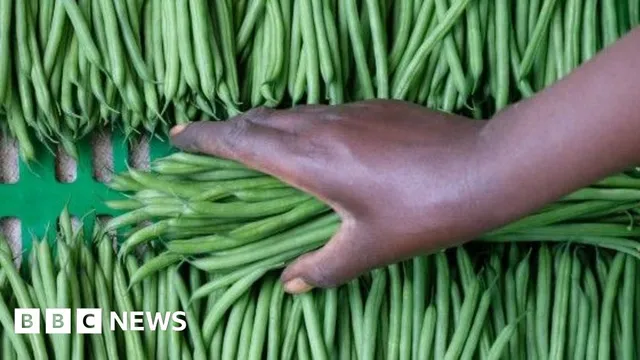
During the winter months of January to March, fresh produce from Senegal prominently appears on the shelves of major UK retailers such as Tesco, Sainsbury's, and Asda. Specifically, vegetables like corn, green beans, and spring onions are transported from farms located in the northern region of Senegal, near the Sahara desert, to the UK via container ships. This situation arises as the UK imports up to 90% of its fresh produce during winter months, highlighting the country's reliance on foreign suppliers for essential food items, particularly when domestic production is significantly reduced. The farms in Senegal, operated by companies like G's Fresh and Barfoots, utilize innovative water management practices to irrigate arid land. With the Senegal River nearby, a complex system of canals and pumps helps support these agricultural efforts, even in conditions of extreme heat and little rainfall. Such methods help transform barren landscapes into productive farms, which are crucial for supplying vegetables to the UK. As the UK grapples with its food supply challenges, there are broader economic implications. The minimum wage in Senegal has recently seen a rise, but according to Michael Laurent, the profit margins for these farms remain low, which impacts the financial sustainability of this international agricultural trade. The cost of labor in the UK contributes significantly to the price of fresh produce, and transport costs from Senegal are becoming more justifiable in comparison. Derek Wilkinson, managing director of G's Fresh, suggests that consumer preferences will dictate whether local UK farming can compete against imports from Senegal. Ultimately, this scenario raises important questions about food sustainability and the environmental impact of transporting fresh produce across continents. While Laurent argues that adapting diets to seasonal produce is necessary, there is ongoing debate about how best to balance local production with the benefits derived from international trade. As the farming landscape in Senegal continues to develop, it remains to be seen how the dynamics of global food supply chains will evolve.


