

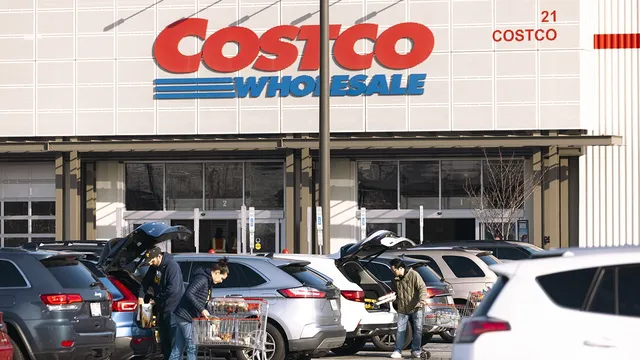
Costco to change urban retail landscape with Los Angeles warehouse in 2027
Costco to change urban retail landscape with Los Angeles warehouse in 2027
- Costco is establishing a new warehouse beneath an affordable housing complex in South Los Angeles.
- The project, developed with Thrive Living, will include 800 apartments and is set to open in 2027.
- This innovative strategy could set a precedent for urban retail development in housing-challenged regions.
Story
In a significant expansion strategy, Costco is set to establish a new warehouse located beneath an affordable housing complex in Baldwin Village, South Los Angeles. The company’s CEO, Ron Vachris, announced during the fiscal year 2026 earnings call that this innovative project is scheduled for completion in 2027. This development marks an important shift in Costco's approach, allowing them to penetrate urban markets that are typically difficult to access due to space constraints. This venture will be carried out in partnership with Thrive Living, a real estate development firm. The construction will include around 800 apartments above the Costco warehouse, integrating their operations with community housing efforts. Notably, approximately 184 of these apartments will be set aside for low-income residents, enhancing affordable living opportunities in a city where such options are scarce. This initiative also features attractive amenities like a rooftop pool and a fitness center. Vachris highlighted during the call that traditional big-box retailers face challenges in urban environments where acquiring land is practically impossible. Through this innovative site selection, Costco aims to address the congestion faced by their busiest warehouses while remaining accessible to their members. This strategic expansion reflects Costco's exploration of unique opportunities and signals a potential shift in how large retailers adapt to urban landscapes. As the retail landscape continues to evolve, Costco's approach could lead to similar projects in other metropolitan areas facing a housing crisis. The company observes that urban markets may yield unforeseen opportunities that were previously overlooked, paving the way for a blend of retail and residential development that benefits local communities while also serving Costco's business interests.
Context
The impact of urban retail development on communities is a multifaceted subject that encompasses economic, social, and environmental dimensions. Urban retail developments often aim to rejuvenate neighborhoods, attract consumers, and stimulate local economies through the creation of jobs and increased tax revenues. However, the actual benefits can vary significantly depending on the planning, implementation, and community involvement in these projects. For some communities, new retail developments may lead to enhanced access to goods and services, ultimately improving the quality of life for residents. For instance, the introduction of grocery stores and pharmacies in underserved areas can alleviate food deserts and increase access to essential products, promoting better health outcomes for the population. Furthermore, local businesses may experience a boost as foot traffic increases, facilitating a symbiotic relationship between established and new retailers. On the other hand, urban retail developments can also pose considerable challenges and potential downsides. The gentrification often associated with these projects may lead to increased property values and a subsequent displacement of long-term residents, particularly those from marginalized communities. The influx of retail spaces may prioritize larger chain stores over local businesses, leading to a homogenization of the retail landscape. Consequently, smaller retailers may struggle to compete, resulting in job losses and a decline in unique community character. Moreover, excessive focus on retail can lead to an imbalance in urban planning, where housing and public services do not keep pace with commercial growth, further exacerbating socio-economic divides. From an environmental perspective, urban retail developments can impact communities through increased traffic congestion, noise pollution, and changes in land use. These developments often require significant infrastructure adjustments, which can strain existing systems not built to accommodate the heightened demand for transportation and utility services. Increased vehicular traffic may lead to higher levels of air pollutants, contributing to public health issues, particularly in densely populated areas. Therefore, it is crucial for urban planners to consider sustainability practices when designing retail environments to minimize these negative effects. Implementing green building standards, promoting public transportation access, and encouraging eco-friendly practices among retailers can help mitigate environmental impacts and enhance community resilience. Finally, community engagement is integral for successful urban retail development. When stakeholders, including local residents, business owners, and policymakers, are involved in the planning process, developments are more likely to meet the unique needs of the community and foster a sense of ownership among residents. Collaborative efforts can lead to innovative solutions that enhance local culture and economic viability while maintaining equitable access to resources. Developing a vision that aligns with community values is fundamental to achieving not only aesthetic and economic goals but also social cohesion and community pride. In summary, while urban retail development can offer economic opportunities and improved access to goods, it is imperative to weigh these benefits against potential adverse effects to create an inclusive environment that fosters community growth and sustainability.


