

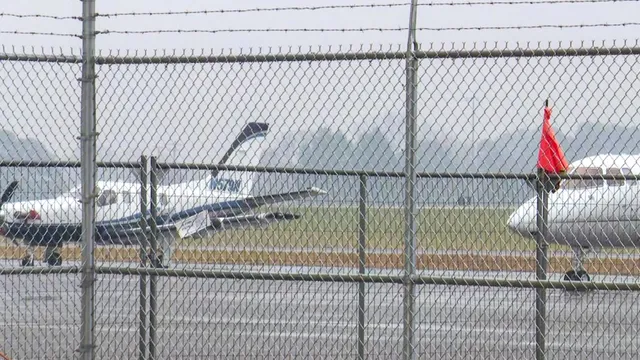
Plane crashes at Statesville Regional Airport in North Carolina
Plane crashes at Statesville Regional Airport in North Carolina
- A Cessna C550 crashed at the Statesville Regional Airport at 10:20 a.m. ET.
- The FAA and National Transportation Safety Board are investigating the cause of the crash.
- The airport is closed until further notice as debris is cleared from the runway.
Story
On December 18, 2025, a small aircraft, specifically a Cessna C550, crashed while attempting to land at the Statesville Regional Airport located in North Carolina. The incident occurred at approximately 10:20 a.m. ET, prompting an immediate response from various officials, including the Federal Aviation Administration (FAA). Upon receiving notification of the crash, the FAA recognized the necessity for an investigation into the cause of the accident. They indicated that they would collaborate with the National Transportation Safety Board, which has taken the lead role in examining the circumstances surrounding the crash. John Ferguson, the airport director, addressed members of the press shortly after the incident, informing them that the FAA has assumed control of the crash site. He expressed that they currently lack information regarding the cause of the crash. The statement provided by Ferguson highlights the immediate challenges at the airport, as it is now closed until further notice. Officials anticipate that it will take some time to clear the debris and ensure the runway is safe for future flights. No additional details were disclosed concerning the ownership of the plane, the number or condition of any passengers, or any injuries that may have resulted from the crash. The Statesville Regional Airport, positioned roughly 50 miles north of Charlotte Douglas International Airport, serves an important role in the local aviation landscape, providing essential corporate aviation facilities for major businesses, including Fortune 500 companies and multiple NASCAR teams. This crash represents a significant event in the area, affecting not only aviation operations but also raising economic concerns given the airport's substantial role in regional corporate activities. Investigators from both the FAA and the National Transportation Safety Board are expected to conduct thorough assessments of the crash scene and the aircraft involved. The outcome of their investigation will determine both the cause of this unfortunate incident and whether any regulatory or safety measures will need to be enacted in response. This incident serves as a reminder of the inherent risks associated with aviation operations, and the diligent work of safety organizations aims to minimize such occurrences in the future.
Context
Aviation safety regulations play a critical role in ensuring the reliability and safety of air travel, particularly in the aftermath of a crash. Following a serious aviation incident, regulatory authorities such as the Federal Aviation Administration (FAA) in the United States or the European Union Aviation Safety Agency (EASA) typically conduct thorough investigations to determine the causes and contributing factors. This process often involves collaboration with various stakeholders, including airline operators, aircraft manufacturers, and safety experts. The findings from these investigations are essential in guiding the necessary regulatory changes and implementing updated safety measures aimed at preventing similar occurrences in the future. Once the root causes of an aviation incident are established, regulatory bodies may develop new safety regulations or amend existing ones to address identified deficiencies. These regulations may encompass a wide range of areas including maintenance protocols, pilot training requirements, and air traffic control procedures. For instance, if a crash occurs due to mechanical failure associated with a specific aircraft model, regulators may mandate more rigorous inspection cycles or updates to maintenance practices for that aircraft, ensuring that such failures are less likely to recur. Moreover, new training requirements for pilots may emerge, emphasizing the critical importance of effective response strategies in emergency situations based on lessons learned from the incident. Another key aspect of post-crash aviation safety regulation is the communication of findings and recommendations to the aviation community and the public. Regulatory authorities will often issue official reports that outline the details of the investigation, including safety recommendations and any proposed regulatory changes. This transparency helps to build trust within the industry and among passengers, reinforcing the commitment to safety and continuous improvement in aviation practices. Furthermore, ongoing monitoring is essential to ensure that newly implemented regulations are being effectively followed and evaluated. In the long term, aviation safety regulations evolve continually, shaped by technological advancements and emerging safety data. As new aircraft designs are introduced and operational practices change, ongoing research and development efforts must ensure that regulations adapt accordingly. The aviation industry remains committed to leveraging the insights gained from past incidents to improve the overall safety of air travel. Therefore, the lesson is clear: robust safety regulations and thorough investigations are paramount to not only understanding what went wrong in the wake of a crash but also in steering the future of aviation toward safer skies.


