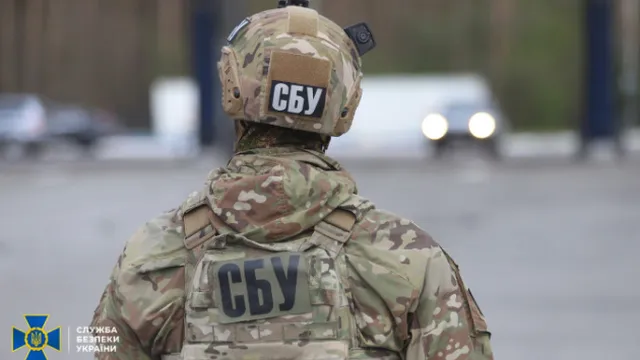
Ukrainian security detains Russian agent coordinating missile strikes
military conflicts
impactful
controversial

Ukrainian security detains Russian agent coordinating missile strikes

10
(Update: )
East Slavic language
sovereign state in Eastern Europe and Northern Asia
city in Ukraine
Ukrainian state news agency
  • A local woman in Ukraine was detained for coordinating Russian missile and drone strikes.
  • She was recruited through Telegram and provided intelligence on Ukrainian military and energy targets.
  • The SSU's actions highlight the ongoing threat of espionage in the context of the conflict with Russia.
Share opinion
1

Story

In Ukraine, the Security Service (SSU) has successfully detained a local woman who was acting as a Russian agent. This incident occurred as part of ongoing efforts to counteract espionage and sabotage activities linked to the ongoing conflict with Russia. The woman, who was unemployed, was recruited through Telegram channels while seeking easy money. She was tasked with tracking the locations of Ukrainian military units and energy facilities, providing critical information to Russian forces. The investigation revealed that she photographed and geotagged potential targets, including a power-generating facility that was under threat of further attacks. The SSU's investigation highlighted the methodical approach taken by Russian intelligence services in recruiting local individuals to assist in their military operations. The woman was specifically instructed by the FSB, Russia's Federal Security Service, to conduct reconnaissance missions, which included assessing the technical condition of facilities after previous airstrikes. This indicates a strategic effort by Russia to gather intelligence on Ukrainian infrastructure, particularly energy resources, which are vital for the country's functioning during the ongoing conflict. Following her arrest, the SSU seized her cell phone and computer equipment, which contained evidence of her espionage activities. The authorities have charged her with treason under martial law, specifically citing violations of Part 2 of Article 111 of the Criminal Code of Ukraine. The legal implications of her actions are severe, as she faces life imprisonment along with confiscation of her property. This case underscores the serious threat posed by espionage within Ukraine, particularly in the context of the ongoing war with Russia. The SSU's actions are part of a broader strategy to safeguard national security and prevent further attacks on critical infrastructure. The agency has been actively working to identify and neutralize threats posed by individuals collaborating with foreign intelligence services. This incident serves as a reminder of the complexities of modern warfare, where information and intelligence play crucial roles in military operations. The ongoing conflict has led to increased vigilance among Ukrainian security forces, as they strive to protect their nation from both external and internal threats.

Context

The Ukrainian Security Service (SBU) has been actively engaged in operations against espionage, particularly in the context of ongoing geopolitical tensions and conflicts involving Ukraine. The SBU's mandate includes the protection of national security, counterintelligence, and the prevention of espionage activities that threaten the sovereignty and territorial integrity of Ukraine. In recent years, the agency has intensified its efforts to identify and neutralize foreign intelligence operations, particularly those attributed to Russia, which has been accused of conducting extensive espionage activities within Ukraine. These operations have included the infiltration of government institutions, military facilities, and critical infrastructure, posing significant risks to national security. To combat these threats, the SBU has implemented a range of strategies aimed at enhancing its intelligence capabilities and operational effectiveness. This includes the establishment of specialized units focused on counterintelligence and the recruitment of skilled personnel with expertise in various fields, including cyber intelligence and human intelligence. The agency has also fostered collaboration with international partners, sharing intelligence and best practices to strengthen its counter-espionage efforts. These partnerships have proven vital in addressing the sophisticated methods employed by foreign intelligence services, which often utilize advanced technology and covert operations to gather sensitive information. In addition to traditional espionage activities, the SBU has also been vigilant against the rise of cyber espionage, which has become increasingly prevalent in the digital age. Cyber threats pose unique challenges, as they can be executed remotely and often go undetected for extended periods. The SBU has responded by enhancing its cyber defense capabilities, conducting regular assessments of critical infrastructure, and implementing robust cybersecurity measures to safeguard sensitive data. Furthermore, public awareness campaigns have been launched to educate citizens about the risks of espionage and the importance of reporting suspicious activities, thereby fostering a culture of vigilance within society. The effectiveness of the SBU's operations against espionage is reflected in several high-profile cases where foreign agents have been apprehended and dismantled espionage networks operating within Ukraine. These successes underscore the importance of a proactive and adaptive approach to counterintelligence, as the landscape of threats continues to evolve. As Ukraine navigates its complex security environment, the SBU remains committed to protecting the nation from espionage threats, ensuring that it can maintain its sovereignty and security in the face of external challenges.