

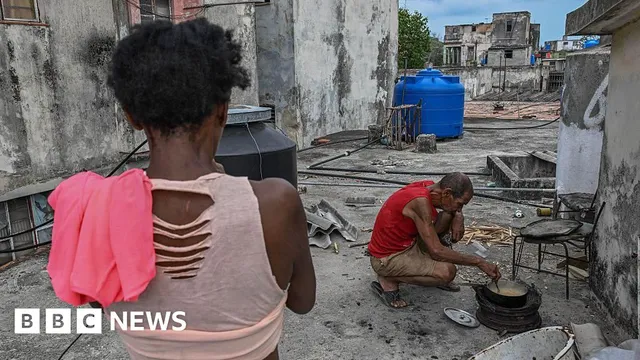
Cuba runs out of diesel and fuel oil amid humanitarian crisis
Cuba runs out of diesel and fuel oil amid humanitarian crisis
- Cuba has declared a complete shortage of diesel and fuel oil, causing severe energy supply issues.
- Widespread protests have erupted in Havana due to severe blackouts lasting up to 22 hours, exacerbating the already critical state of the country's energy system.
- The situation highlights the impact of the US-led blockade on Cuba and the urgent need for humanitarian assistance to alleviate the crisis.
Story
Cuba is currently enduring a severe energy crisis, having entirely run out of diesel and fuel oil, as confirmed by Energy Minister Vicente de la O Levy. The situation has been exacerbated by a US-led blockade, which has imposed significant restrictions on oil supply to the country. Limited amounts of gas from local wells are the only remaining fuel source, and the energy system is described as being in a 'critical state.' As a consequence of these fuel shortages, Havana has plunged into prolonged blackout periods of 20 to 22 hours, affecting hospitals, schools, and government offices. The energy crisis has ignited widespread protests across Havana, marking the worst blackouts the country has faced in decades. Demonstrators filled the streets, blocking roads and demanding an end to the blackouts while calling for the government to restore power. During these protests, chants such as "turn on the lights" have echoed through the Playa neighborhood, demonstrating citizens’ frustrations with the current state of affairs. These public gatherings underscore the growing unrest in Cuba, as the population grapples with the ramifications of the energy crisis and the broader geopolitical tensions involved. Furthermore, while the US government has offered a humanitarian aid package worth $100 million aimed at assisting the Cuban populace, the proposed aid is contingent on achieving 'meaningful reforms' within the Cuban communist system. Cuban officials, including Foreign Minister Bruno Rodriguez, have responded strongly against these conditions, labeling them as unacceptable and noting that the sanctions imposed by the US are both illegal and abusive. The suspension of oil supplies from both Venezuela and Mexico, which are traditional sources for Cuba, has also been influenced by US threats of tariffs against those nations engaging in trade with Cuba. As a direct result of this multifaceted crisis involving fuel shortages and external pressures, Cuba's critical sectors have come under alarming strain, particularly the economy, which often relies on tourism. With energy resources dwindling and societal unrest on the rise, Cuba faces pressing challenges as it seeks to navigate through these compounded obstacles while calling for international support or assistance to help stabilize the situation.
Context
The effects of the U.S. blockade on Cuba have been profound and multifaceted, impacting the island's economy, health care, and overall quality of life for its citizens. Since its implementation in the early 1960s, the blockade has restricted Cuba's access to a wide range of goods and services, leading to chronic shortages of basic necessities such as food, medicine, and other essential imports. This economic strangulation has not only stifled Cuba's growth but has also exacerbated poverty, unemployment, and inequality within the population. As a result, the blockade has contributed to a decline in the living standards of many Cubans, creating widespread discontent and fueling emigration attempts to escape dire conditions. Health care, an area traditionally regarded as a source of national pride in Cuba, has also suffered as a consequence of the blockade. Although the Cuban health care system has been lauded for its focus on preventive care and primary health services, the limitations placed upon it due to the blockade have led to critical shortages of medical supplies, equipment, and even pharmaceuticals. These deficiencies undermine the quality of health care services available to citizens, impacting the treatment of diseases and overall public health outcomes. Reports from health professionals in Cuba detail the urgent need for medication and modern medical technologies that are barely accessible due to restrictions on financial transactions and imports imposed by the U.S. government. The blockade has further influenced Cuba's international relations, particularly with nations sympathetic to its plight. In response to the blockade, Cuba has sought to foster relationships with a variety of countries, particularly in Latin America, Europe, and Asia. This has allowed Cuba to explore alternative markets and partnerships, though these efforts have not fully compensated for the losses incurred due to U.S. sanctions. The blockade often evokes strong reactions from the international community, culminating in repeated resolutions at the United Nations calling for an end to the embargo. These global sentiments indicate a growing recognition of the need to reassess the efficacy and morality of a blockade that has persisted for over six decades. Despite these immense challenges, Cuba has demonstrated resilience and an ability to adapt. The island has increasingly turned towards self-sufficiency, promoting local agriculture and innovation to mitigate the adverse effects of the blockade. The government has focused on coping strategies, such as increasing the production of domestic goods and fostering a limited degree of entrepreneurship as part of broader economic reforms. Nevertheless, the blockade remains a significant barrier to Cuba's full economic potential and hinders its capacity to address social challenges effectively. A shift in strategy could not only improve the lives of millions of Cubans but also facilitate a more constructive dialogue between Cuba and the United States, promoting mutual interests and stability in the region.


