

Kenya plans to re-open Somalia border after 15 years of closure
Kenya plans to re-open Somalia border after 15 years of closure
- Kenya's border with Somalia will re-open in April 2026 after being closed for nearly 15 years.
- The closure was due to multiple attacks by the al-Shabab militant group, causing significant casualties.
- The government aims to boost cross-border trade while ensuring security through extensive force deployment.
Story
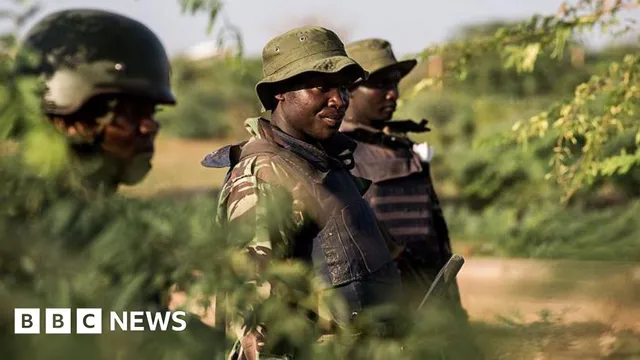
Kenya has announced that its border with Somalia is set to re-open in April 2026, marking almost 15 years since it was closed. The closure was primarily a response to numerous attacks by the Islamist militant group al-Shabab, which has carried out several deadly assaults on Kenyan soil, notably the Westgate mall attack in 2013 that killed 67 people, and the Garissa University attack in 2015 that claimed 148 lives. The decision to re-open the border was made public during President William Ruto's visit to Mandera, a border town predominantly occupied by ethnic Somalis. The re-opening plan has faced previous delays, having been disclosed earlier in 2023 but subsequently postponed due to further attacks. Ruto emphasized that extensive security assessments were conducted prior to making this announcement and reassured the population that a significant deployment of security forces would accompany the re-opening to mitigate any safety risks involved. This was a vital consideration, given the concerns regarding the smuggling of illicit weapons and goods across the border, which have been a persistent issue. Ruto's administration hopes that this initiative will enhance cross-border trade between the two nations, fostering mutual prosperity. He expressed his determination to reduce the isolation faced by residents of Mandera, stating that it was unacceptable for the locals to be cut off from their relatives in Somalia. During his speech, he also called for the community's collaboration in combating al-Shabab and ensuring security in the area, labeling the militants as 'useless' and appealing to all Kenyans to assist in the fight against terrorism. This decision reflects a shift in Kenya’s policy towards its neighboring country and underscores the complexities involved in balancing security concerns with the social and economic needs of local communities. The long-standing conflict with al-Shabab continues to shape the geopolitical landscape of the region, and while re-opening the border may have economic benefits, it also introduces new challenges in terms of security and the ongoing threat posed by terrorism.
Context
Al-Shabab, a militant group based in Somalia, has profoundly influenced Kenya's security policies over the years, primarily through its acts of terrorism and regional destabilization. The group has conducted numerous attacks on Kenyan soil, notably following Kenya's military intervention in Somalia in 2011 aimed at combating the insurgents. These attacks, often targeting public spaces, institutions, and individuals, have instilled a sense of fear among the Kenyan populace and prompted an urgent reassessment of national security strategies. As a result, the Kenyan government has been compelled to enhance its counter-terrorism measures, focusing on intelligence gathering, community surveillance, and regional cooperation with neighboring countries to secure its borders against such threats. In response to the evolving danger posed by Al-Shabab, Kenya has adopted a multi-faceted approach to its security policies. This includes the establishment of specialized security forces and the implementation of new laws aimed at strengthening the legal framework surrounding counter-terrorism operations. For instance, the Prevention of Terrorism Act has been enacted to empower law enforcement agencies to conduct investigations more effectively, detain suspects, and prevent potential attacks. Moreover, the Kenyan government has recognized the importance of community engagement in countering radicalization, leading to initiatives that educate citizens about the dangers of extremism and promote reporting suspicious activities. Regional collaboration has also become a cornerstone of Kenya's security policy adjustments, as the government works closely with the African Union, Intergovernmental Authority on Development (IGAD), and various international partners. Security partnerships have been crucial in sharing intelligence and resources, which are essential for tracking and disrupting Al-Shabab operations. Additionally, Kenya has contributed troops to the African Union Mission in Somalia (AMISOM), aiding in efforts to stabilize Somalia and thereby reducing the likelihood of cross-border militant activities. This regional approach is intended to mitigate the spillover effects of violence from Somalia while promoting collective security among East African nations. Despite these efforts, challenges remain, particularly in the realms of compliance and implementation of new security policies. Issues such as human rights abuses, corruption within security forces, and public dissent against heavy-handed tactics can hinder the effectiveness of Kenya's counter-terrorism strategies. Furthermore, community trust is crucial for successful counter-terrorism efforts, as alienating local populations can lead to increased sympathy for militant groups like Al-Shabab. Thus, it is vital for the Kenyan government to strike a balance between enforcing security and ensuring the protection of civil liberties, fostering an environment where citizens feel safe to cooperate with authorities against the backdrop of the ongoing threat posed by Al-Shabab.


