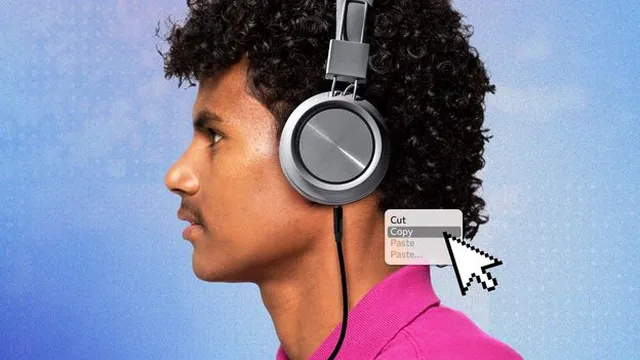
Wired and wireless headphones both have their unique sets of advantages and disadvantages, making them suitable for different use cases and user preferences. Wired headphones typically offer superior sound quality due to direct connections, which eliminate potential issues related to wireless signal interference and latency. This is especially important for audiophiles and professionals working in music production, where sound fidelity is paramount. Additionally, wired connections often do not require batteries, meaning they are ready to use without concern for charging and are generally more cost-effective since they do not include the advanced technology found in many wireless models. Users can also enjoy a more stable connection without interruptions, providing a consistent listening experience in environments where wireless signals might be compromised. However, the physical limitations of wired headphones can lead to inconvenience, especially when moving around, as cords can become tangled or snagged, limiting mobility during use.
In contrast, wireless headphones have surged in popularity due to their convenience and portability. They allow users to move freely, making them an ideal choice for active lifestyles or when traveling. With advancements in Bluetooth technology, many wireless headphones now offer impressive sound quality, battery life, and noise-cancellation features that rival their wired counterparts. The ability to pair with various devices, such as smartphones, tablets, and computers, adds to their versatility. Furthermore, many wireless models come equipped with smart functionalities, like touch controls or voice assistant integration, which enhance the user experience and offer additional functionalities that wired headphones cannot provide. However, these advantages come with drawbacks, including the reliance on batteries that require regular charging, which can be a hassle for some users. Additionally, wireless headphones may suffer from latency issues and occasional connectivity problems, particularly in environments with many devices competing for wireless signals.
The choice between wired and wireless headphones ultimately depends on the user’s needs and preferences. For those prioritizing sound quality and reliability, particularly in professional or critical listening situations, wired headphones remain the best option. On the other hand, users who prioritize convenience and mobility, such as commuters, gym-goers, or casual listeners, might prefer the benefits offered by wireless headphones. Additionally, the increasing trend towards environmental sustainability is leading to the development of more energy-efficient wireless headphones, which may influence consumer choices in the future by minimizing the ecological footprint of their audio devices.
When making a selection, potential buyers should consider their typical use cases, whether it be home listening, commuting, or professional work, as well as any specific features they value most, such as battery life, sound quality, or smart integrations. An understanding of these aspects can help individuals make informed decisions, ensuring they invest in headphones that enhance their listening experience, whether wired or wireless.