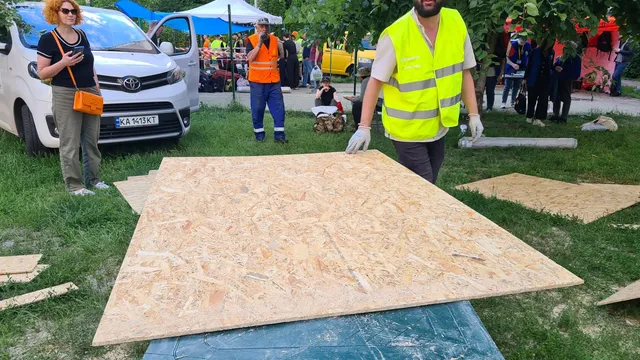
The impact of volunteer work in the Ukraine conflict has been profound, influencing both the immediate humanitarian response and the long-term recovery efforts in the region. Since the onset of the conflict, volunteers have played a crucial role in providing essential services, including food distribution, medical assistance, and psychological support to those affected by the war. These efforts have not only alleviated the suffering of countless individuals but have also fostered a sense of community and solidarity among those involved. Volunteers, often working alongside local organizations and international NGOs, have demonstrated remarkable resilience and adaptability in the face of ongoing challenges, including security risks and resource shortages. Their contributions have been vital in addressing the urgent needs of displaced populations and those living in conflict zones, highlighting the importance of grassroots initiatives in crisis situations.
Moreover, the volunteer work in Ukraine has also had significant implications for social cohesion and community rebuilding. As individuals from diverse backgrounds come together to support a common cause, they create networks of trust and collaboration that can help bridge divides within society. This is particularly important in a context where the conflict has exacerbated existing tensions and divisions. By engaging in volunteer activities, individuals not only contribute to immediate relief efforts but also participate in a broader process of healing and reconciliation. The shared experiences of volunteers and beneficiaries alike can foster empathy and understanding, which are essential for long-term peacebuilding in the region.
In addition to the direct humanitarian impact, volunteer work has also contributed to the empowerment of local communities. Many volunteers have taken on leadership roles, organizing initiatives and mobilizing resources to address the needs of their communities. This empowerment is crucial for building resilience, as it enables communities to take charge of their recovery and development. Furthermore, the skills and knowledge gained through volunteer work can have lasting benefits, equipping individuals with valuable experience that can be applied in various sectors, including social services, healthcare, and community development. As these individuals return to their communities, they can share their insights and foster a culture of volunteerism that encourages others to engage in civic activities.
Finally, the impact of volunteer work in the Ukraine conflict extends beyond the immediate context, influencing global perceptions of humanitarian action and the role of civil society in conflict resolution. The dedication and commitment of volunteers have drawn international attention to the situation in Ukraine, inspiring solidarity movements and fundraising efforts worldwide. This has not only provided much-needed resources for ongoing relief efforts but has also highlighted the importance of volunteerism as a powerful tool for social change. As the conflict continues, the lessons learned from the experiences of volunteers in Ukraine can inform future humanitarian responses, emphasizing the need for inclusive and community-driven approaches to crisis management. In conclusion, the impact of volunteer work in the Ukraine conflict is multifaceted, encompassing immediate relief, social cohesion, community empowerment, and global advocacy.