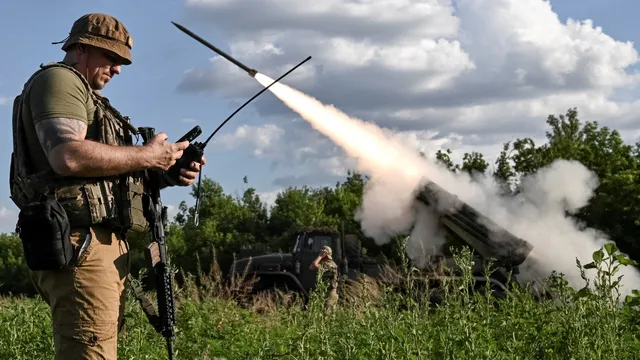
In recent developments, Russia has faced significant challenges in its ongoing conflict with Ukraine, which began in 2022. The war, initially expected to be a swift operation, has dragged on longer than both the Soviet fight against Nazi Germany and World War I. As of June 2026, Ukraine has successfully launched counteroffensives, reclaiming territory and striking deep into Russian territory, including a major attack on Moscow that has severely impacted the capital's oil refinery operations. This shift in the war's dynamics has led to increased desertions among Russian soldiers and growing public dissatisfaction with the conflict.
Amid these setbacks, Russian President Vladimir Putin has expressed a willingness to renew peace talks with Ukraine, referencing the Istanbul agreements from 2022. Analysts suggest that this move is a strategic attempt to buy time as Russia grapples with a failing economy and high military casualties. Reports indicate that military spending now constitutes half of Russia's state budget, a figure that exceeds official government disclosures. The economic strain is evident, with residential construction plummeting by nearly 40% in early 2026 compared to the previous year.
Despite the Kremlin's efforts to maintain a strong front, the reality of the situation is increasingly difficult to ignore. Public sentiment appears to be shifting, with many Russians recognizing the war's toll on their lives and the economy. While some citizens remain supportive of the war, others are beginning to question its justification and the leadership's decisions. The combination of military failures and economic hardship may lead to a reevaluation of Russia's approach to the conflict.
As the situation evolves, Putin's threats of escalation against Ukraine and the West have become more pronounced. However, these threats are often seen as signs of desperation rather than strength. The Kremlin's rhetoric has intensified, with officials warning of potential nuclear responses to perceived aggression. This escalation in language reflects the growing anxiety within Russia about the war's trajectory and the potential for further losses. The coming months are likely to be critical as both sides navigate the complexities of the conflict and the implications of ongoing military and economic pressures.