

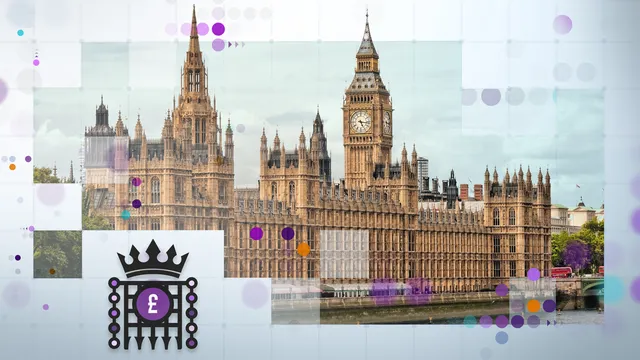
Starmer announces ban on cryptocurrency donations to UK parties
Starmer announces ban on cryptocurrency donations to UK parties
- The UK government is implementing a ban on cryptocurrency donations and capping donations from British citizens living abroad.
- The decision follows a review addressing concerns about foreign interference in British democracy.
- This move aims to safeguard the electoral process, which some argue may hinder political financing for certain parties.
Story
In the United Kingdom, the government has announced significant measures to curb foreign financial interference in politics, as revealed in a report following a comprehensive review. The review, initiated by Prime Minister Sir Keir Starmer, included proposals to ban cryptocurrency donations altogether to UK political parties, alongside imposing strict limits on donations from British citizens residing abroad. The proposed legislation aims to establish a cap of £100,000 per year for overseas British electors, and is set to take effect immediately with the changes integrated into the Representation of the People Bill already in progress in Parliament. The decision comes in response to concerns regarding foreign influence and financial interference in British democracy, as highlighted in the Rycroft report, which acknowledged the ongoing threat of foreign states attempting to meddle in UK elections. While there has been no evidence of foreign financing affecting the outcomes of previous elections, the report emphasizes the necessity to act proactively to safeguard democratic processes. Starmer has affirmed the government's commitment to protect democracy, citing persistent problems of foreign interference that could potentially undermine public confidence. Additionally, the government plans to impose a moratorium on all political donations made through digital currencies, aimed primarily at limiting the financial capabilities of certain political groups, especially those like Reform UK, which have relied on cryptocurrency donations in the past. The changes are set to take effect today, March 25, 2026, requiring political parties to return any unlawful donations received since the announcement. Any offenses regarding these donations will also have stipulated criminal penalties. This move has sparked a conversation about trust in the political system, which is reportedly at a record low, prompting calls for further reforms beyond what is being implemented. Some political analysts argue that these measures, while necessary to protect democracy, may also limit the ability of certain political entities to operate financially, which could create significant shifts in the political landscape leading up to upcoming elections across England, Scotland, and Wales. The broader implications of these changes are yet to be fully understood, raising questions about the future of campaign financing in the UK and the role of digital currencies in political fundraising.


