

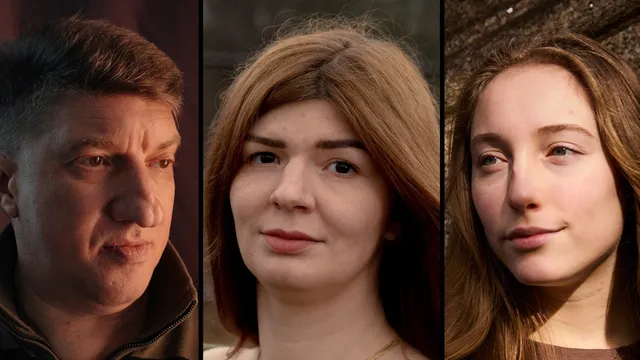
Ukrainian refugees struggle as homes feel like a distant memory
Ukrainian refugees struggle as homes feel like a distant memory
- Ukrainian refugees, including Mariia Kulia and Blazhevych, express fears of losing connection to their homeland as the war enters its fifth year.
- Many refugees find themselves adapting to new cultures, while children struggle to remember their roots amidst instability.
- The ongoing conflict and shifting legal frameworks create a sense of uncertainty and despair about returning home.
Story
In the wake of Russia's invasion of Ukraine in February 2022, many Ukrainians have found themselves displaced, living in foreign countries and grappling with the harsh realities of refugee life. Mariia Kulia, a 21-year-old law student, expressed a profound sense of disconnection from her homeland, stating that she no longer feels at home in Ukraine, which she characterizes as a different life and reality. This sentiment is echoed by others who question if returning to Ukraine is even an option, given the ongoing war and the uncertain future it presents. As of March 2026, the war continues to ravage regions of Ukraine, particularly the eastern front, where civilians face daily threats from drone and missile strikes, leading to a deteriorating quality of life amidst rolling blackouts and mobilization waves. Many families are evolving in their host countries, developing new lives that carry the risk of forgetting their roots. Blazhevych, who moved to Washington, D.C. with her sons, expresses concern that her children may not remember their homeland as they adapt to American culture, highlighting the cultural differences they encounter. The fears of Ukrainian refugees about adapting to a new life and losing touch with their homeland are compounded by legal uncertainties; for instance, Blazhevych faced challenges after the temporary legal status for her family expired, forcing them to survive on limited resources. In contrast, some refugees have found jobs and begun to settle, yet adapting remains a constant challenge, particularly for older individuals like Zviahintsev, a skilled engineer who struggles with language barriers in Germany. Although grateful for support in their new lives, a longing for their past resides in the hearts of many refugees. As they build new lives, the divide between their current realities and the struggles of those left behind in Ukraine adds to their emotional burden. Ukrainian refugees in countries like the United States are witnessing more challenges on the legal front as humanitarian programs fluctuate, adding further uncertainty and stress. Many worry that the bureaucracies governing their stay may sour their outlook, complicating the prospect of returning home in a viable and safe manner. Despite the gradual acceptance of living abroad, the toll of war, loss, and uncertainty loom heavily in the minds of these exiles, transforming their connections to their homeland into mere memories. Ultimately, as long as the war persists and no clear path to peace emerges, many of those displaced may find themselves reluctant to return, feeling that the life they once knew may never be reclaimed.
Context
The ongoing situation in Ukraine regarding displaced refugees continues to be a profound humanitarian crisis as of March 2026. Since the beginning of the conflict, millions of Ukrainians have been forced to flee their homes in search of safety, leading to one of the largest refugee movements in Europe since World War II. The influx of displaced individuals has put enormous pressure on neighboring countries, particularly Poland, Romania, and Hungary, which have become primary destinations for Ukrainian refugees. These nations have shown considerable solidarity by providing immediate assistance, shelter, and various support services to those arriving. The efforts include the establishment of temporary housing facilities, food distribution points, and psychological support endeavors to assist individuals coping with trauma from the prolonged conflict. As the conflict drags on, the need for sustainable solutions for displaced individuals has become increasingly evident. Many refugees now face uncertainty regarding their future, as the hope of returning home seems distant. International organizations, alongside local governments, are working tirelessly to provide education for children, employment opportunities for adults, and access to healthcare services for all. However, the transition from emergency assistance to long-term integration into host communities remains a complex issue, often hindered by resource limitations and varying levels of public acceptance among local populations. The commitment of donor countries and organizations to extended support is crucial if the humanitarian needs of these populations are to be effectively met. Legal and logistical challenges also pose substantial barriers to displaced individuals. Many refugees have encountered issues related to their residency status, leading to complications in accessing public services, legal employment opportunities, and the ability to secure long-term housing. Moreover, as more countries begin to enact stricter immigration policies, refugees may find it increasingly difficult to navigate the system, leading to fears of hardship and vulnerability. Advocacy for refugee rights and the need for fair and equitable treatment are vital conversations in the broader discourse surrounding the crisis. As the world continues to witness the plight of displaced Ukrainians, it is paramount that solidarity remains strong, and that the international community rallies to address the multifaceted challenges they face. Continuous outreach, funding, and media attention are essential to keep this issue at the forefront of global awareness. Should the conflict persist, coordination among nations and humanitarian organizations will become increasingly crucial to facilitate the safe return of refugees or their effective integration into host countries, ensuring a dignified and hopeful path forward for those affected.


