

NATO confronts Iran as Ukraine's conflict persists
NATO confronts Iran as Ukraine's conflict persists
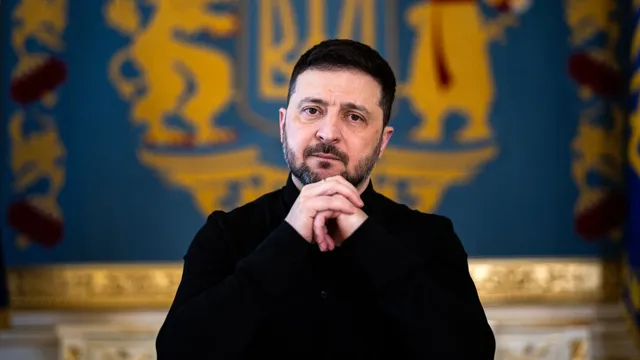
- Zelensky emphasized the connection between Ukraine's fight against Russia and the conflict involving Iran.
- Estonia's Foreign Minister Margus Tsahkna underlined the importance of NATO's focus on Ukraine amidst the Iran conflict.
- The situation reflects the broader challenges facing the international community and the need for cooperative efforts.
Story
Ukraine, under the leadership of President Volodymyr Zelensky, has sought to maintain global focus on its ongoing conflict with Russia, especially amidst escalating tensions in the Middle East involving Iran. In March 2026, Zelensky undertook a diplomatic mission to the Middle East, visiting countries like Saudi Arabia and the UAE, signaling that the fight against Russia is connected to the broader efforts against Iran. This outreach aimed not only at securing military and economic support from these nations but also emphasized the shared challenges facing the international community. In his recent statements, Zelensky asserted that Kyiv's struggle is part of a larger confrontation with a consolidation of revisionist states aiming to undermine the current world order. At this critical juncture, the economic ramifications of the renewed conflict in the Middle East threaten to bolster Russia's finances, potentially allowing the Kremlin to sustain its military operations against Ukraine. According to estimates from the Kyiv School of Economics, Russia's oil revenue soared significantly amidst rising global oil prices, creating a concerning financial environment for Ukraine and its allies. Recognizing the interconnected nature of these conflicts, Estonia's Foreign Minister Margus Tsahkna spoke out on the necessity of keeping Ukraine at the forefront of international priorities, advocating for increased support to counter Russian aggression while acknowledging that the Iranian issue has implications for NATO's stability and security. Tsahkna's statements reinforce the notion that both concerns affect European security and express a clear need for NATO unity as the situation evolves. As the threats posed by Iran to Europe loom large, Tsahkna emphasized the significance of maintaining a firm stance against Russia and bolstering Ukraine's position in the face of persistent aggression. This coordinated approach seeks to ensure that the focus does not shift entirely away from the war in Ukraine, which has already lasted over four years and has seen significant humanitarian and geopolitical consequences.
Context
The impact of Iran on the ongoing Ukraine conflict is multifaceted, stemming from its military support for Russia and the broader geopolitical implications of its involvement. Since the onset of the war in Ukraine, Iran has positioned itself as a critical ally for Russia, providing weapon systems, particularly drones, which have been extensively used in the conflict. This partnership not only enhances Russia's military capabilities but also challenges Western efforts to support Ukraine through sanctions and military aid. The use of Iranian drones in Ukraine has drawn international condemnation and highlighted the complex web of alliances in the region, with Iran actively seeking to expand its influence amidst the shifting dynamics of global power. Additionally, Iran's engagement in the Ukraine conflict underscores its strategic interests in countering Western dominance and fostering a multipolar world. By supporting Russia, Iran aims to bolster its position against the United States and allies, with implications for global energy markets and security architecture. This alliance is also indicative of a broader ideological and military collaboration that could transcend this specific conflict, potentially affecting future geopolitical stability in the Middle East and Eastern Europe. Iran’s military assistance to Russia serves as a reminder of the interconnected nature of modern warfare, where regional conflicts have far-reaching consequences on international relationships. Moreover, the implications of Iran's involvement extend beyond the immediate military cooperation. The conflict has catalyzed discussions on arms control, counter-terrorism, and the role of non-state actors in warfare. Iranian weapons transfers to Russia raise concerns about proliferation and the strategic calculation of other countries. As Western countries continue to impose sanctions on both Iran and Russia, this only exacerbates the complexities of their relationship, potentially making them more resilient in the face of external pressures. The synergy between Iran's ambitions and Russia's military objectives reflects a significant shift in the global balance of power, challenging the established order and raising questions about the future of international security frameworks. In conclusion, Iran's impact on the Ukraine conflict is significant and multifaceted, with implications that extend far beyond the battlefield. Its support for Russia not only exacerbates the conflict in Ukraine but also reflects a broader strategy to counterbalance Western influence. As the situation continues to evolve, the long-term effects of Iran's involvement could redefine alliances and power structures in the region. Therefore, understanding the dynamics of this relationship is crucial for policymakers and analysts alike, as it will shape the future landscape of international relations and security.


